

The Big Chill: How to Choose the Right Large Cube Ice Machine for Premium Drinks
Why a Large Cube Ice Machine is a Game-Changer for Your Bar or Restaurant
A large cube ice machine is essential for premium drinks, producing oversized, crystal-clear cubes that melt slower than standard ice and keep flavors true.
Top Features of Large Cube Ice Machines:
- Production Capacity: Range from 45 lbs to over 1,100 lbs per day
- Cube Size: Typically 1.25" to 2" square cubes
- Machine Types: Undercounter, modular, and countertop models
- Key Benefits: Slower melting (2-3x longer), minimal dilution, crystal-clear appearance
- Price Range: $500-$8,600+ depending on capacity and features
- Best For: Craft cocktails, whiskey, bourbon, scotch, and premium beverages
Large cubes preserve carefully balanced cocktails and neat pours by melting slowly and limiting dilution. Using directional freezing, these machines push impurities and oxygen out as ice forms, producing clear, dense cubes that last two to three times longer than standard ice.
For restaurants, bars, and hotels, capacity and storage matter. Commercial models produce roughly 60 to 1,100+ pounds per day; compact undercounter units for smaller spaces or home bars typically make 45-60 pounds daily. Storage ranges from about 25 to 500 pounds so you can match output to peak demand.
I'm Sean Kearney from Charbroilers.com. After a decade in restaurant equipment, I've helped many operators choose the right large cube ice machine to lift their beverage programs.

Basic large cube ice machine vocab:
The Clear Advantage: Why Large Ice Cubes Lift Every Drink
Picture this: a perfectly crafted Old Fashioned swirling around a single, crystal-clear cube. That's what a large cube ice machine delivers—less dilution, consistent chill, and a premium look guests notice.
Standard ice melts fast and clouds your drink. Large cube ice machines make dense, clear cubes that improve flavor, temperature, and presentation—a quality upgrade guests remember. The difference becomes especially apparent in premium spirits and carefully crafted cocktails where every element matters.
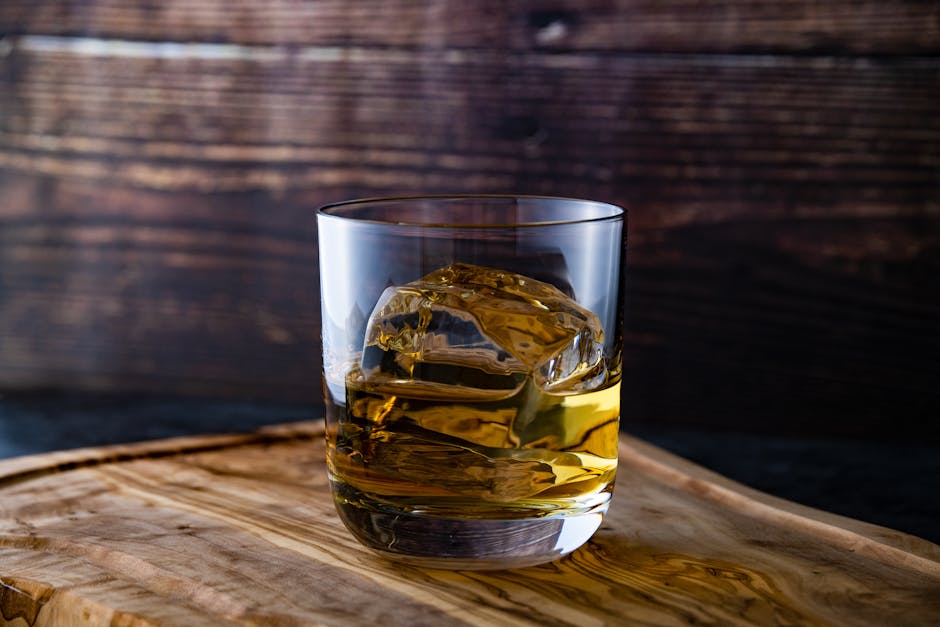
The Impact on Taste and Temperature
Large cubes melt two to three times slower than small cubes, keeping spirits cold without watering them down. With less surface area and higher density, the character of whiskey, bourbon, and scotch stays intact from first sip to last. Some machines engineer harder, denser cubes specifically to extend melt time and preserve balance. This slower melt rate means your customers can savor their drinks at the intended strength and temperature throughout the entire experience. Learn how different machines create different ice types: more on different ice production methods.
Aesthetics and the "Wow" Factor
A flawless, clear cube instantly lifts a drink—the high-end lounge effect guests love to photograph and share. The visual purity signals quality and increases perceived value. Different shapes (cubes, spheres, collins spears) tailor both performance and presentation for specific beverages. In today's social media age, that Instagram-worthy presentation can drive word-of-mouth marketing and bring new customers through your doors. The right ice transforms an ordinary drink into a shareable moment. Explore shapes and uses: a guide to different ice shapes for various beverages.
The Science of Crystal-Clear Ice: How These Machines Work
Ever wonder why ice from a large cube ice machine looks different? Its directional freezing. Instead of trapping air and minerals by freezing from all directions, these machines freeze in one direction (top-down or bottom-up), pushing impurities and oxygen into a separate water reservoir thats drained off. The result: ultra-clear, dense cubes.
Some systems use upside-down horizontal evaporators and precise water control to isolate and remove impurities more effectively. Others rely on patented freezing controls to reduce oxygen and produce harder, longer-lasting ice. Even small craft makers use careful cycles to boost clarity. See how commercial methods differ: more on different ice production methods.
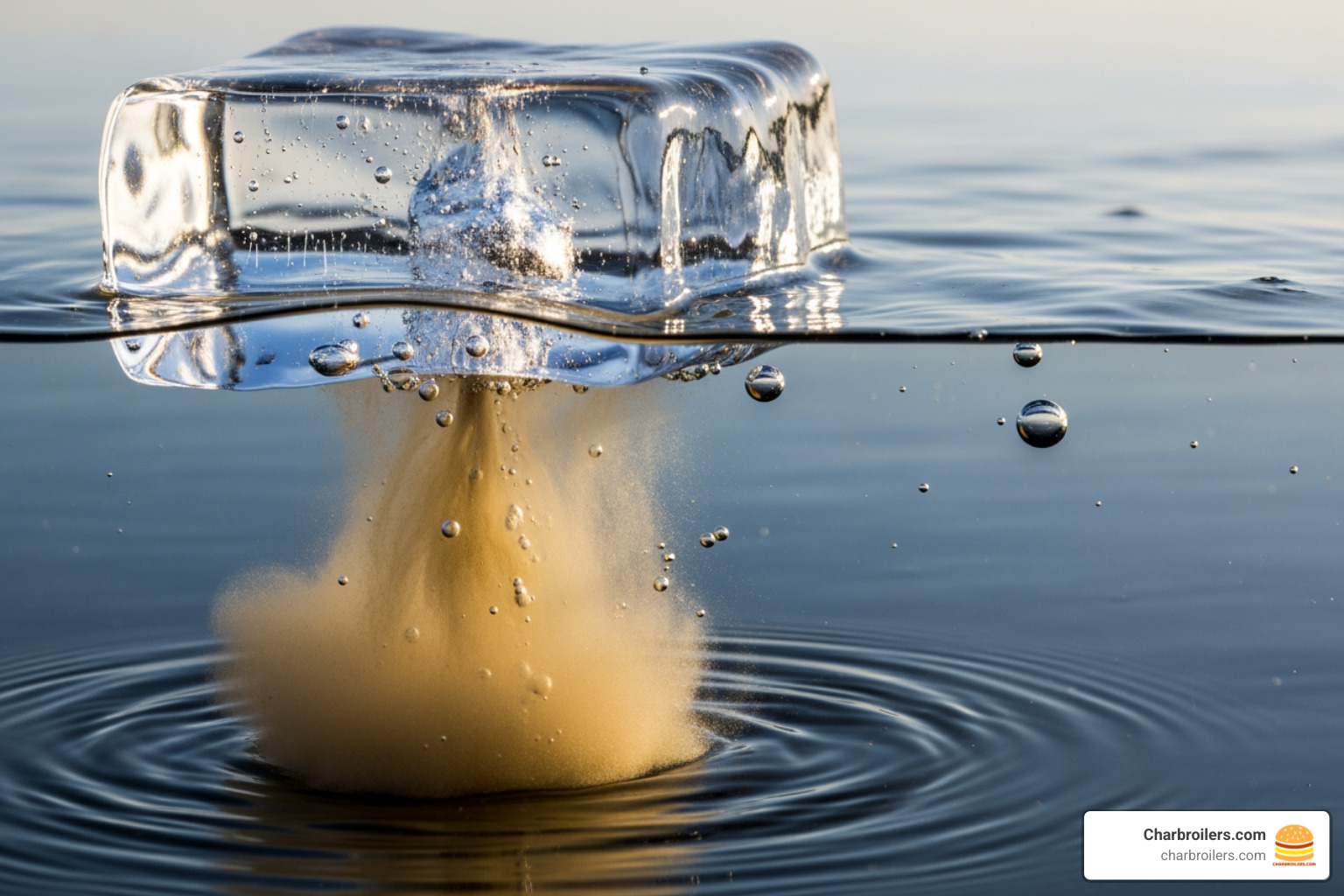
Technology for Purity and Density
Precision engineering makes the difference. Temperature sensors regulate freezing rate so ice forms cleanly and evenly. Water recirculates over chilled evaporator plates, washing impurities away as pure ice builds layer by layer. Denser, harder cubes expose less surface area, so they melt slower and preserve drink integrity. Similar precision thinking drives other equipment too: upright display and blast chillers.
Your Buyer's Guide: Key Features to Consider in a Large Cube Ice Machine
Choosing the right large cube ice machine is an investment that pays dividends in drink quality and customer satisfaction. Use the guide below to match capacity, configuration, and upkeep to your operation or home bar.

Production Capacity and Storage
Estimate peak demand first. Compact undercounter units make around 45 lbs per day with ~25 lbs storage—great for home bars or small programs. Commercial models range from about 60 to 1,100+ lbs daily; choose bin storage accordingly (roughly 25 to 850+ lbs). Pair machine output and bin size so you have buffer during rushes. Consider your busiest service periods and special events when calculating needs. A good rule of thumb is to size up by 20-30% from your estimated daily needs to ensure you never run short during peak times. Learn bin/machine pairing: commercial ice maker and bin setups.
Types of Large Cube Ice Machines
- Undercounter units: Self-contained, fit under standard bars; ideal for smaller spaces or satellite stations. These typically range from 15-24 inches wide.
- Modular ice machine heads: Sit on separate bins; best for high volume and flexible storage. Can be stacked or arranged to maximize production.
- Countertop craft models: Produce fewer but premium cubes per cycle for enthusiasts. Perfect for specialty cocktail programs or home use.
- Air-cooled vs. Water-cooled: Air-cooled is common and cost-effective but needs ventilation; water-cooled runs quieter and handles heat better but requires added water and a drain. Consider your kitchen's ambient temperature and ventilation when choosing.
Size, Energy, and Cost
Confirm clearances and footprint before buying. Many modern units exceed 2018 DOE efficiency standards, saving on utilities. Consider local water costs when weighing water-cooled options. Pricing ranges: ~$400-$550 (countertop), ~$1,500-$3,000 (undercounter), and ~$3,500-$8,600+ (modular), driven by capacity, brand, and features like antimicrobial protection. Installation costs can add another 10-20% to your budget, so factor that into your planning. More on pricing: a guide to ice machine prices.
Maintenance Needs of a Large Cube Ice Machine
Look for antimicrobial components, automatic clean/sanitize cycles, and dishwasher-safe food zone parts. Change water filters on schedule (auto-bypass designs simplify swaps) and descale per water hardness. Consistent maintenance preserves clarity, output, and lifespan. Regular cleaning not only ensures food safety but also maintains the crystal-clear appearance that makes large cube ice special. Explore options: find the right ice equipment for your business.
Perfect Pairings: Ideal Applications for Large Cube Ice
The right large cube ice machine turns ordinary drinks into memorable momentsfrom busy cocktail bars to refined home setups.
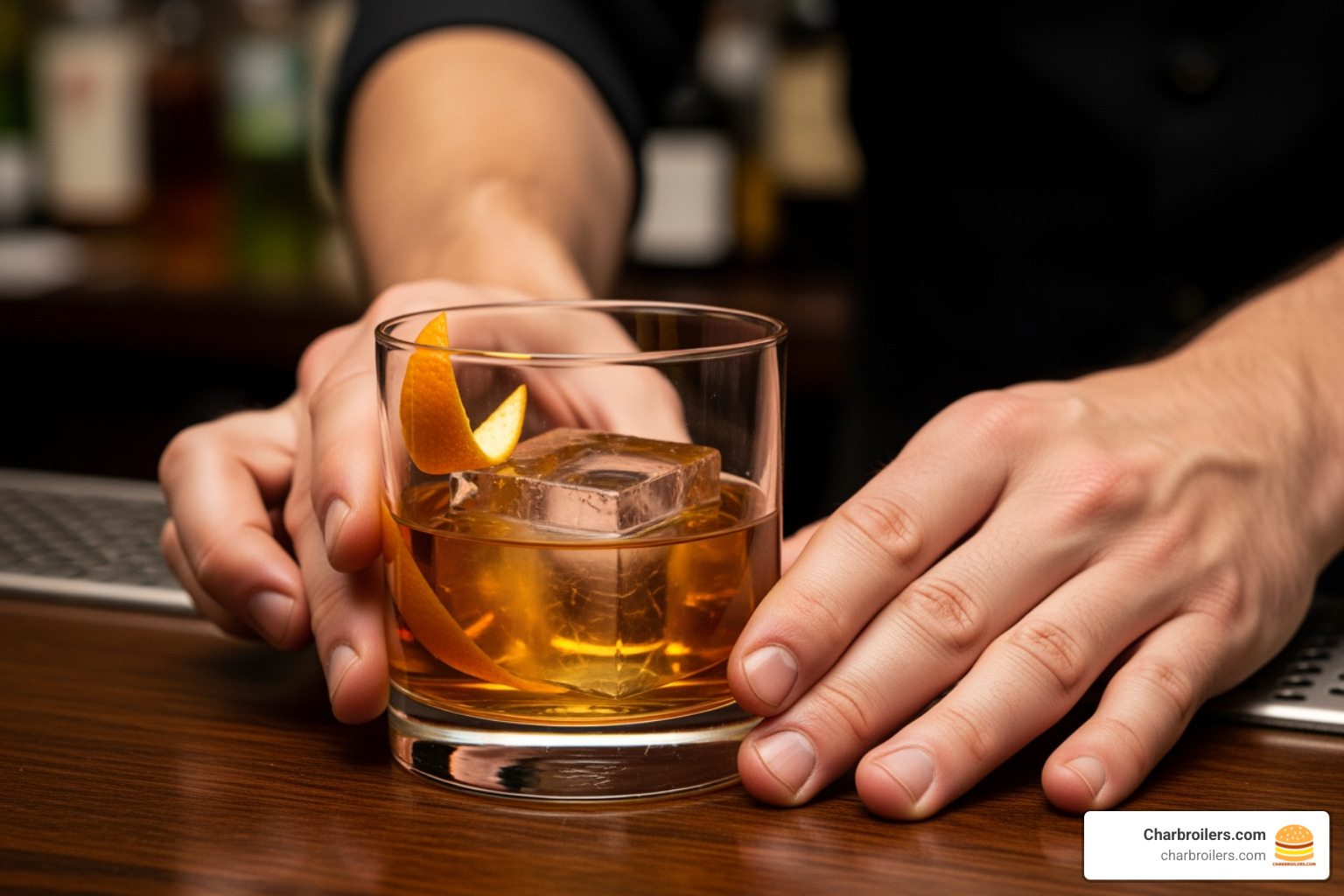
Commercial Establishments
Craft cocktail bars, whiskey lounges, fine dining, and upscale hotels rely on slow-melting, clear cubes to protect flavor and lift presentationespecially for premium pours. The result is consistency, fewer remakes, and a premium image across bars, restaurants, and room service. More commercial insights: Ice machines for hotels and offices.
Beyond spirits, large cubes improve iced coffee, lemonades, and signature nonalcoholic drinks by slowing dilution and improving aesthetics.
The Ultimate Home Bar
Home mixologists and bourbon/scotch fans value clear, oversized cubes for chill without compromise. Even compact craft units that produce a limited number of cubes can transform entertaining and showcase premium bottles. Bring bar-quality home: Bring commercial quality to your residence and see Top commercial ice makers for home use.
Frequently Asked Questions about Large Cube Ice Makers
If youre considering a large cube ice machine, here are quick answers to common questions.
How much ice can a large cube ice machine produce?
Countertop craft makers yield about 8-16 cubes per cycle over 8-12 hours. Compact undercounter units make around 45 lbs/24 hr. Commercial models span 60 to 1,100+ lbs/day; some reach 425 kilograms (about 937 lbs) in 24 hours. Output varies with ambient air and water temperatures, so size with a buffer for peak periods.
Is clear ice really better than cloudy ice?
Yes. Directional freezing removes air and impurities for denser, purer ice that melts slower. Drinks stay colder without washing out, and the crystal-clear look lifts presentation (and shareability).
What kind of maintenance is required?
Follow a routine of cleaning, descaling, and water filter changes. Many machines offer one-touch sanitize/descale cycles, auto-bypass filters, antimicrobial parts, and dishwasher-safe food zone components. Check your models schedule (hard water areas need more frequent descaling).
Conclusion
With a quality large cube ice machine, ice stops being an afterthought. Directional freezing and precise controls create clear, dense cubes that melt two to three times slower, protecting flavor and elevating presentation.
Choose capacity and configuration for your actual demand, consider efficiency and footprint, and plan simple maintenance. Whether youre building a high-volume bar or a standout home setup, premium ice turns good drinks into memorable experiences.
At Charbroilers.com, weve spent over a decade helping food service pros pick equipment that earns its keep. Ready to explore more tools that raise your game? Get the complete guide to commercial equipment for your restaurant.