

Stainless Steel & Super Cool: Your Buying Guide for Commercial Freezers
Finding the Perfect Commercial Stainless Steel Refrigerator Freezer for Your Business
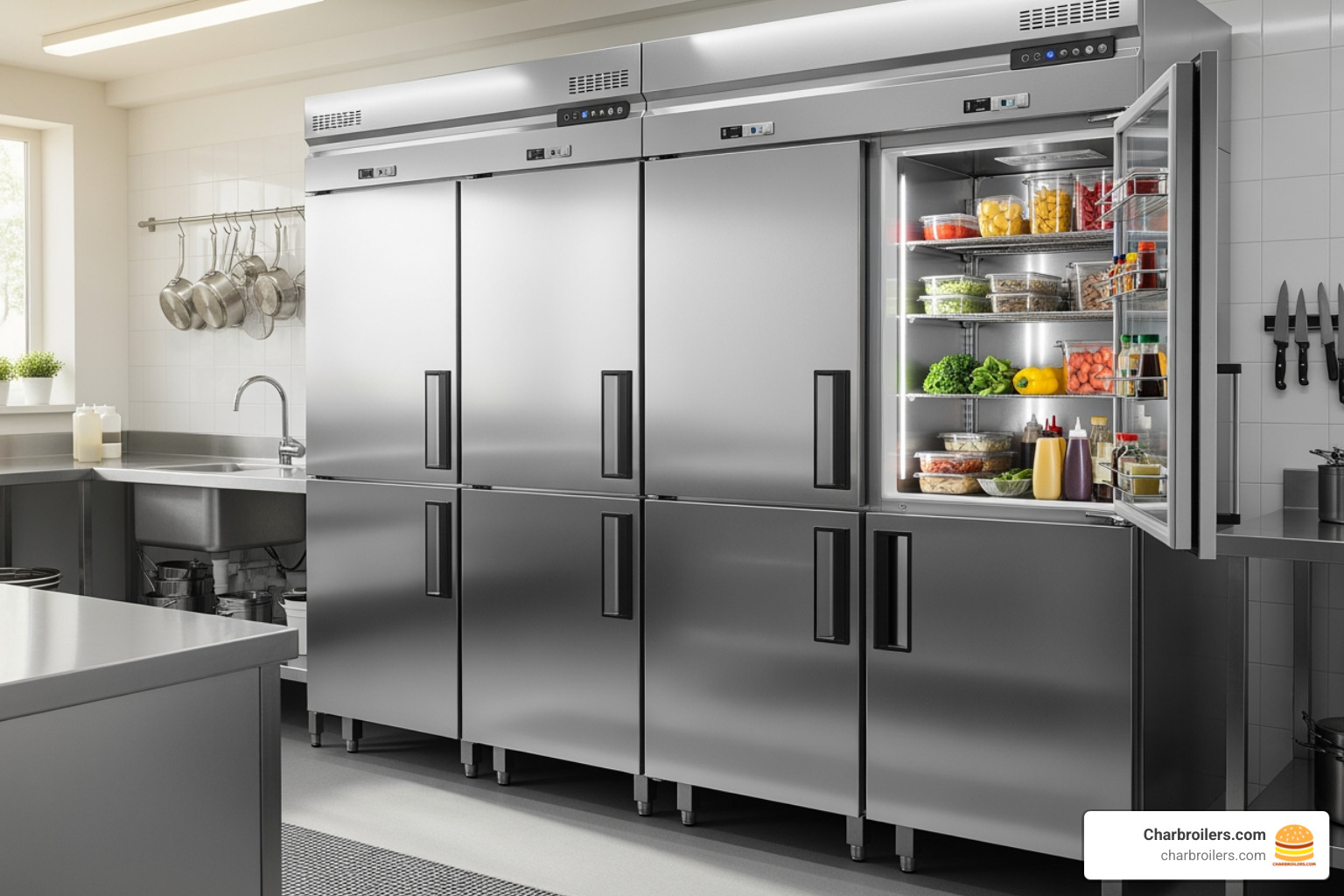
Choosing the right commercial stainless steel refrigerator freezer is a big decision for any food business. These essential units keep your food safe and fresh, which is key for food safety and smooth operations. A good refrigerator freezer is a necessity, helping regulate food temperatures so items don’t spoil.
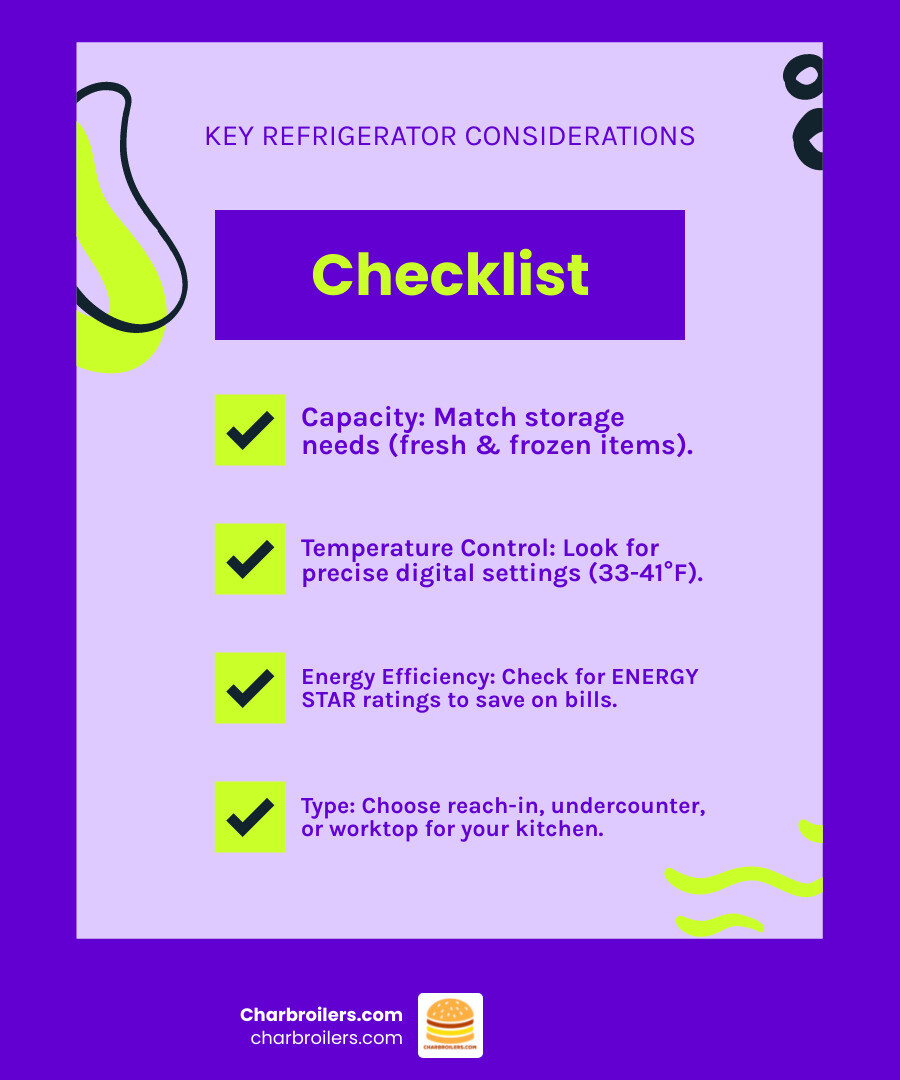
When you're looking to buy a commercial stainless steel refrigerator freezer, consider these top factors:
- Capacity: Think about how much food you need to store. This includes both fresh ingredients and frozen items.
- Temperature Control: Look for precise digital controls. These units must keep temperatures steady, usually between 33°F and 41°F for refrigeration.
- Energy Efficiency: Check for ENERGY STAR ratings or low power consumption (like 2.5 KW.h/24h). This saves on electricity bills over time.
- Type: Decide which style fits your kitchen best. Options include reach-in, undercounter, worktop, or chef base units.
- Material: Stainless steel is durable, easy to clean, and resists corrosion. It's the standard for commercial kitchens.
I'm Sean Kearney from Charbroilers.com. With over a decade of experience in the restaurant equipment industry, I understand the critical role a reliable commercial stainless steel refrigerator freezer plays in your kitchen's success. This guide will help you make an informed choice.
Why Stainless Steel is the Unbeatable Choice
Walk into any professional kitchen, and you'll see stainless steel everywhere. For your commercial stainless steel refrigerator freezer, it's not just a popular choice—it's the smart one. This material has become the gold standard in foodservice for several key reasons.
The Benefits of Stainless Steel Construction
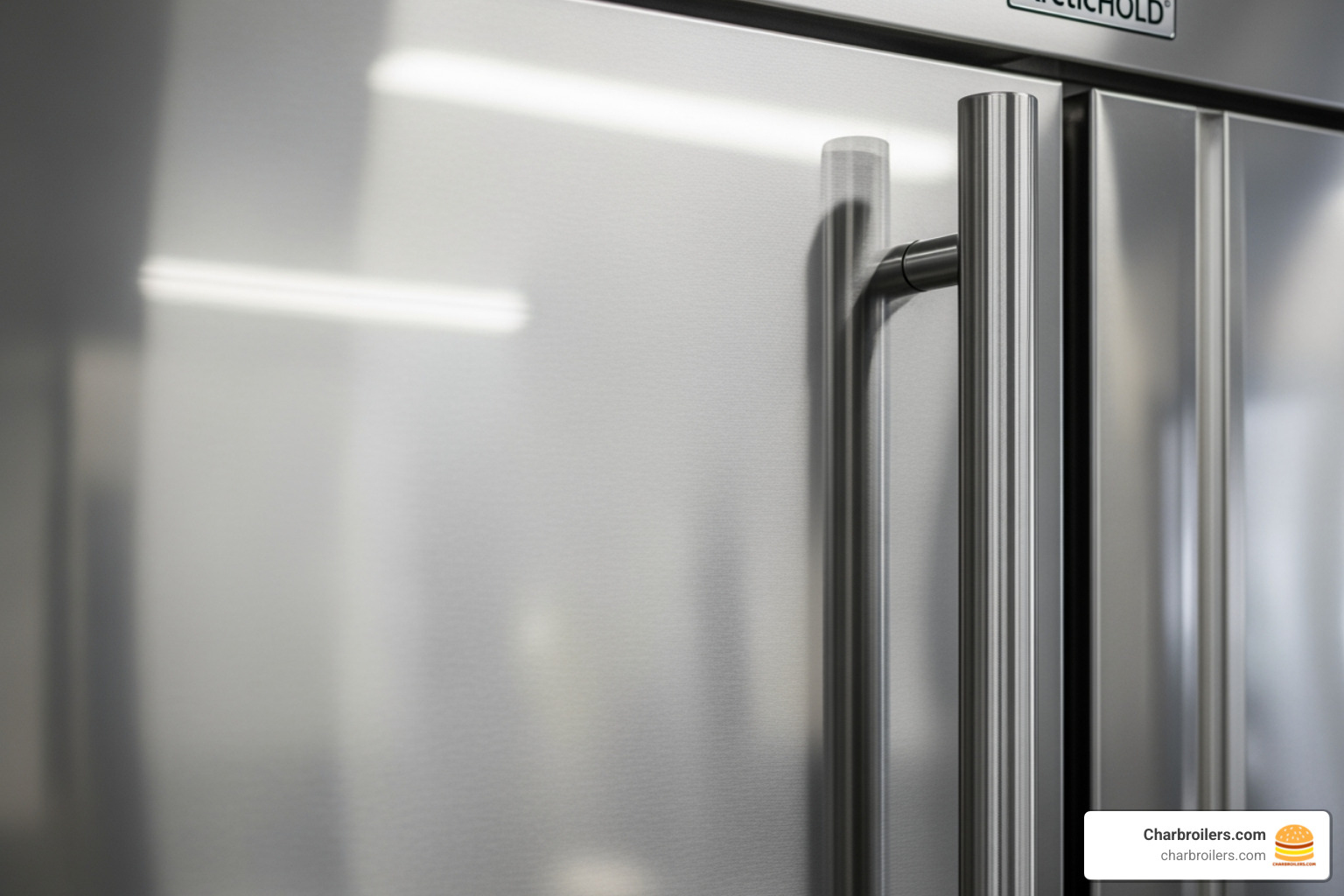
A commercial refrigerator must withstand daily abuse—bumps from carts, spills, and constant door openings. Stainless steel delivers superior durability, resisting dents, scratches, and impacts far better than other materials. It’s an investment that works reliably for years.
Food safety is paramount. Stainless steel has a non-porous surface, meaning bacteria and viruses can't seep in and hide. This smooth surface also resists odors and stains, making it easier to maintain a sterile environment.
Commercial kitchens expose equipment to humidity, acidic foods, and harsh cleaning chemicals. Stainless steel’s resistance to rust and corrosion ensures it won't degrade, maintaining its integrity and appearance.
The sleek, polished look of stainless steel conveys a professional aesthetic of cleanliness to staff, inspectors, and customers. It’s a timeless look that fits any modern kitchen.
Finally, your team will appreciate how easy stainless steel is to maintain. A quick wipe-down is often all that's needed to keep your commercial stainless steel refrigerator freezer sanitary, saving valuable time while ensuring health code compliance.
The value is clear: stainless steel offers long-term benefits that cheaper materials can't match. For more insights into why this robust material is worth the investment, you can chill out with these stainless steel commercial chest freezers.
Finding Your Fit: Types of Commercial Refrigerator Freezers
Not all commercial kitchens are the same, and neither are the refrigeration solutions designed for them. The type of commercial stainless steel refrigerator freezer you choose impacts your kitchen's workflow, space utilization, and ingredient accessibility. It's about finding the perfect match for your operation.
Choosing the Right Type of Commercial Stainless Steel Refrigerator Freezer
Let’s review the most popular types:
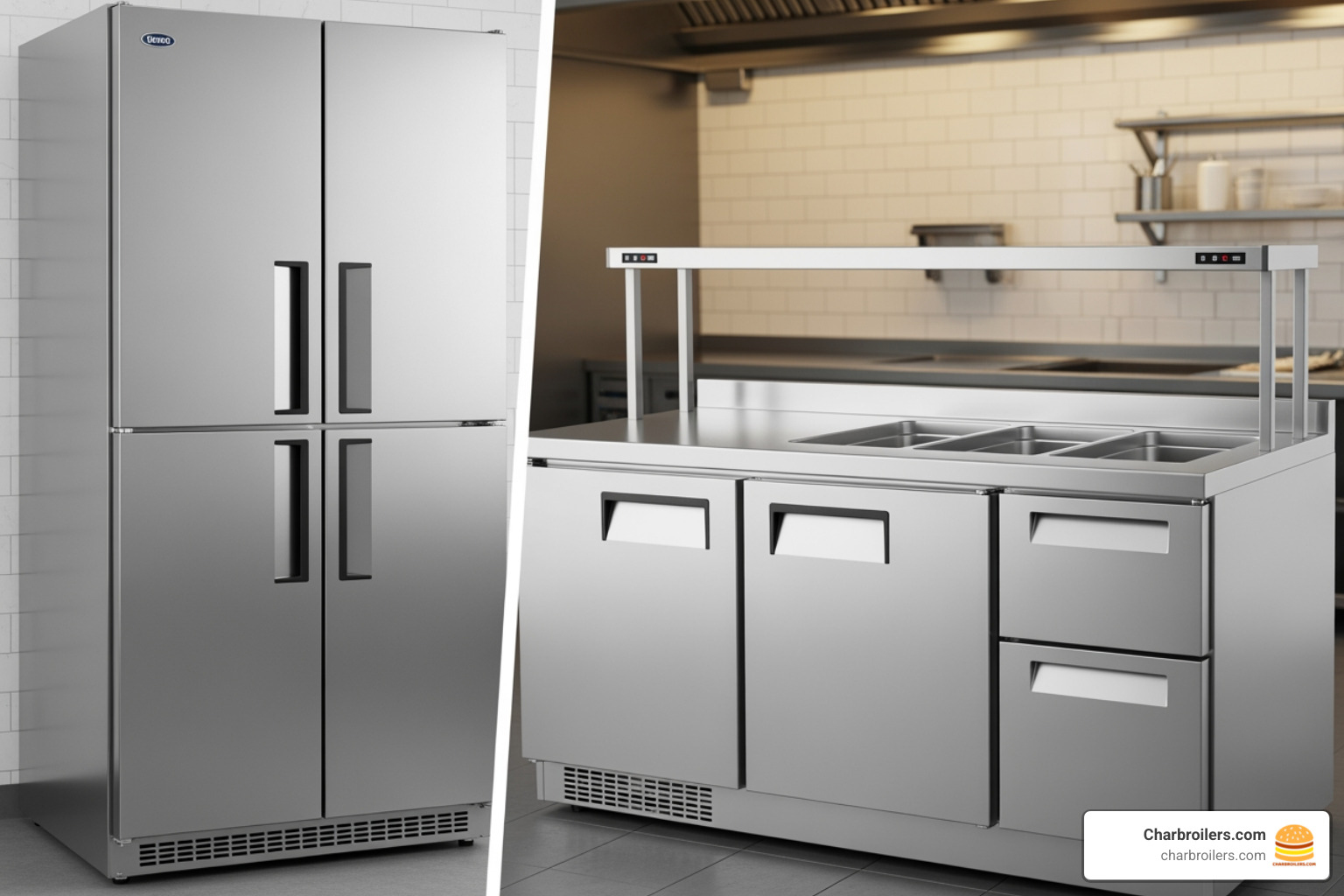
- Reach-in units: These are the tall, classic commercial fridges. Available in single to multi-door configurations, they can be refrigerators, freezers, or both, offering large storage capacity that's easily accessible.
- Undercounter models: These compact units slide under countertops, making them ideal for prep stations, bars, or small cafes where space is limited and quick access is essential.
- Worktop refrigerators: Combining a stainless steel work surface with refrigerated storage below, these units allow chefs to prep food directly above their chilled ingredients. Many include setups for sandwich or pizza prep.
- Chef bases: These low-profile refrigerated drawers are designed to sit under cooking equipment like griddles. They keep key ingredients at the perfect temperature right at the cooking station, streamlining workflow.
- Dual-temperature zones: These space-saving combo units offer separate refrigerated and frozen compartments in one appliance. You can set different temperatures for each zone, providing ultimate control. Learn more in this guide: combo cool why a refrigerator freezer combo is your kitchens best friend. For more tips, see space savers best under cabinet freezers for small kitchens.
Single, Double, or Triple Door?
Choosing the number of doors for your commercial stainless steel refrigerator freezer is a strategic decision.
Consider your storage needs. A busy operation with high inventory turnover will benefit from the ample space of a double or triple-door unit.
Evaluate your kitchen's footprint. A single-door unit saves floor space, perfect for smaller cafes. If you have the room, larger multi-door units are more efficient for high-volume storage.
Think about access frequency. In a busy kitchen, multiple doors help maintain colder temperatures. Staff can open only the section they need, keeping cold air locked in other compartments. For more on larger units, explore cool freeze navigating commercial double door fridge freezers and the benefits of one door many benefits unpacking commercial upright freezers.
Key Features of a Commercial Stainless Steel Refrigerator Freezer
Choosing the right commercial stainless steel refrigerator freezer is a smart investment that directly impacts your daily operations and budget. Use this section as your essential feature checklist to select a unit that performs well and delivers value.
Capacity, Dimensions, and Layout
First, consider the basics: how much it holds and if it will fit.
Storage space is measured in cubic feet (cu. ft.), ranging from small 7.4 cu. ft. undercounter models to massive 72 cu. ft. reach-ins. To find your ideal size, consider your menu, delivery frequency, and peak inventory levels.
Next, measure your space precisely—width, depth, and height. Don't forget to account for door swing clearance and measure doorways and hallways to ensure the unit can be delivered into your kitchen.
Inside, look for adjustable, heavy-duty, PVC-coated interior shelving to customize your layout. Also, consider door swing clearance. Many models offer self-closing doors with a stay-open feature, which is a great convenience when loading inventory.
For a deeper comparison of models, see our detailed guide to comparing commercial refrigerators.
Temperature Control, Food Safety, and Compliance
The main job of any commercial stainless steel refrigerator freezer is keeping food at the correct temperature for safety and freshness.
Modern units feature digital thermostats for precise control and easy monitoring. Your unit must hold temperatures consistently—typically between 33°F and 41°F (0°C to 5°C) for refrigeration and 5°F (-15°C) or colder for freezers. This precision is vital to prevent spoilage.
Auto-defrost is a lifesaver feature that prevents ice buildup, ensuring consistent cooling and saving you from manual defrosting.
Finally, always look for NSF certification. This mark means the equipment meets strict public health and safety standards, particularly for food-contact surfaces. Compliance with standards like NSF/ANSI Standard 7 indicates a high-quality build. Learn more in our guide on cool compliance your guide to nsf ansi standard 7 for refrigerators and freezers.
Energy Efficiency and Compressor Type
Let's talk about your wallet! The running costs of your commercial stainless steel refrigerator freezer can add up, so energy efficiency is a key feature.
Look for models with an ENERGY STAR rating, which signifies superior energy efficiency. Even without a rating, check for low daily energy consumption (e.g., 2.5 KW.h/24h). An efficient model leads to significant long-term savings.
When it comes to the compressor, you'll usually find two main types: bottom-mount vs. top-mount.
- Bottom-mount compressors are easier to access for cleaning and draw in cooler air from the floor, which can be more efficient. They also create a more ergonomic "no stoop" lower shelf.
- Top-mount compressors are less likely to pull in floor debris but can be harder to access for maintenance.
Many new units use modern refrigerants like R290, which are better for the environment. Making an energy-efficient choice is always a smart business decision. You can explore a selection of stainless steel units at Charbroilers.com.
Cost Factors for a Commercial Stainless Steel Refrigerator Freezer
The price of a commercial stainless steel refrigerator freezer can range from around $500 for small models to over $5,000 for large, specialized units.
A basic unit might start at $500, while a high-capacity, feature-rich model could exceed $5,000. It's important to weigh the upfront cost versus operational cost. A cheaper, less efficient unit may cost more in the long run due to higher electricity bills.
Several features influence the price:
- Capacity and Size: Bigger units cost more.
- Door Configuration: Multi-door units are generally more expensive.
- Advanced Features: Digital controls, auto-defrost, LED lighting, and self-closing doors add to the cost.
- Brand Reputation: Well-known brands often have higher prices reflecting their durability and technology.
- Certifications: NSF or ETL certifications can factor into the price.
- Warranty: Comprehensive warranties may increase the upfront cost but provide valuable peace of mind.
For a detailed breakdown of expenses, consult the price of cool a guide to commercial refrigerator costs. If you're exploring ways to save, our guide on secondhand chill your guide to used commercial refrigeration might offer some useful ideas.
Installation and Long-Term Maintenance
Once you've chosen your commercial stainless steel refrigerator freezer, proper installation and maintenance are crucial for optimal performance, food safety, and longevity. Taking care of your kitchen's workhorse ensures it keeps working hard for you.
Keeping Your Unit in Peak Condition
Your commercial stainless steel refrigerator freezer needs regular care to stay efficient. Good habits here mean fewer headaches and bigger savings.
First, ensure proper placement and ventilation requirements. Refrigeration units need space for air to flow freely to dissipate heat. Keep them away from heat-generating equipment like ovens or fryers, which makes the fridge work harder.
The most important task is condenser coil cleaning. These coils release heat and can get clogged with dust and grease, forcing the unit to work harder, consume more energy, and risk burnout. Clean them every 1-3 months, depending on your kitchen's environment.
Next, check your door seals, also known as gaskets. These rubber seals keep cold air in. If they crack or tear, they waste energy and cause temperature fluctuations. Test them by closing a dollar bill in the door; if it pulls out easily, the seal may need replacing.
Regular interior sanitation is a must. Clean up spills immediately and use food-safe cleaners to prevent cross-contamination. Many units have rounded interior corners for easier cleaning.
It's also smart to familiarize yourself with basic troubleshooting common issues. Your digital panel may show error codes. If the unit isn’t cooling, checking the coils and seals are good first steps. For complex issues, always call a professional. Our article on when your fridge fails a how to for commercial refrigerator repair is a must-read.
Finally, consider mobility. Many commercial units come with heavy-duty casters (wheels) that often have brakes, allowing you to move the unit for thorough cleaning underneath.
Proactive maintenance extends your commercial stainless steel refrigerator freezer's lifespan, prevents costly breakdowns, and keeps your business running smoothly.
Frequently Asked Questions about Commercial Refrigeration
We get a lot of great questions about commercial stainless steel refrigerator freezer units from business owners just like you. Let me address some of the most common ones that come up when folks are making this important decision.
Can I use a commercial refrigerator in my home?
While the professional-grade performance is appealing, it's usually not the best idea for a home kitchen. Here's why:
- Noise levels: These units are built for busy, noisy kitchens. Their powerful compressors and fans can be very disruptive in a quiet home environment.
- Energy consumption: They are engineered for high-demand commercial use and often draw more power than residential models, which can lead to higher utility bills.
- Ventilation needs: Commercial units require specific clearances for airflow that most home kitchens can't accommodate without modification.
- Design philosophy: They are built for function and durability, lacking the aesthetic touches and conveniences like ice makers found in residential refrigerators.
If you're still curious about bringing commercial-grade cooling home, we've put together the homeowners guide to commercial grade refrigeration that explores this topic in more depth.
What is the difference between a top-mount and bottom-mount compressor?
This technical question has practical implications for your kitchen.
- Ambient temperature: Bottom-mount compressors draw cooler air from the floor, which can improve efficiency in a hot kitchen where heat rises. Top-mount units pull in warmer air from higher up.
- Maintenance access: Bottom-mount units are at floor level, making them much easier to access for routine cleaning and maintenance.
- Ergonomics: With a bottom-mount compressor, the lowest interior shelf is higher, creating a "no stoop" design that's easier on your staff's backs. The top of the unit can also be used for storage.
Both designs work well; the best choice depends on your kitchen's layout and workflow.
What kind of warranty is typical for commercial refrigeration?
Warranties are your insurance policy on this investment, so let's break down what you can typically expect with a commercial stainless steel refrigerator freezer.
A standard parts warranty usually covers you for 1 year. This means if a component fails due to a manufacturing defect during that time, you'll get a replacement part.
The compressor warranty is where things get more interesting. Since the compressor is the heart of your refrigeration system—and one of the most expensive components to replace—manufacturers typically offer longer coverage here. You'll commonly see 5 to 6 years of compressor warranty coverage, which provides real peace of mind.
Now, labor warranty options are a bit different. While parts and compressor warranties are often standard, labor coverage (paying for the technician's time to diagnose and fix issues) might be sold separately or as an upgrade. We've seen options for 1-year or 2-year labor warranties available at an additional cost. This can be worth it, as labor charges can add up quickly.
Always read the fine print on any warranty before you buy. Understanding exactly what's covered, what's not, and for how long can save you from unexpected repair bills down the road. And remember, proper maintenance—like cleaning those condenser coils regularly—helps ensure your warranty remains valid and your unit runs reliably for years.
Conclusion
Well, we've certainly covered a lot of ground today! Choosing the perfect commercial stainless steel refrigerator freezer is truly a big decision for any foodservice business. It's not just about picking an appliance; it's about making a smart investment in your kitchen's heart and soul.
We've talked about why stainless steel is the undisputed champion for durability and hygiene. We explored the different types of units, from spacious reach-ins to space-saving undercounter models, helping you find the right fit for your unique kitchen setup. And we dove deep into those crucial features: thinking about capacity so you never run out of space, ensuring precise temperature control for ultimate food safety, and weighing the long-term benefits of energy efficiency. We even touched on practicalities like installation, regular maintenance, and what kind of warranty you can expect.
By keeping all these factors in mind, you're doing more than just buying a piece of equipment. You're investing in the safety of your food, the smooth flow of your daily operations, and ultimately, the long-term success of your business. A well-chosen commercial stainless steel refrigerator freezer will keep your ingredients perfectly preserved, make your kitchen workflow a breeze, and contribute to a healthier bottom line.
Taking the time to make an informed decision now will truly pay off for years to come. For an even broader look at outfitting your commercial kitchen, be sure to explore our comprehensive commercial refrigeration your essential buying guide.
And hey, while you're thinking about upgrading your kitchen, why not explore Charbroilers.com's wide selection of other essential equipment? We're here to help you find everything you need to keep your kitchen running cool, efficient, and ready for anything!