

Stainless Steel Flat Top Grills: Our Top Picks for Durability and Performance
Why Stainless Steel Flat Top Grills Are Revolutionizing Commercial Kitchens
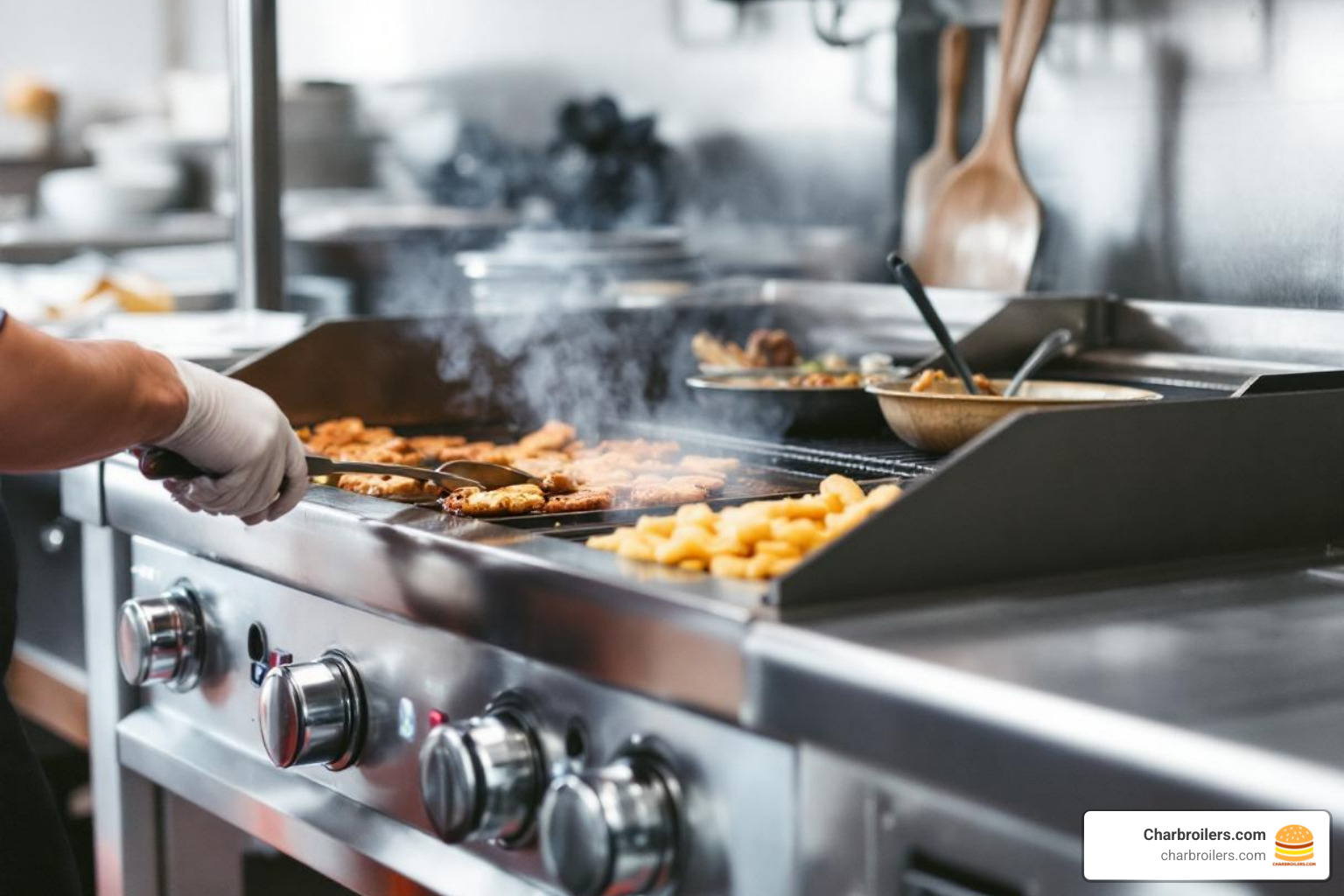
A stainless flat top grill is the professional chef's secret weapon for high-volume cooking, offering superior durability, hygienic maintenance, and consistent heat performance without the seasoning requirements of traditional griddles. If you're looking to buy one, here's what makes them stand out:
Top Reasons to Choose Stainless Steel:
- No rust or corrosion - unlike carbon steel or cast iron surfaces
- No seasoning required - ready to cook immediately
- Easy to clean thoroughly - non-porous surface prevents bacterial growth
- Professional searing ability - excellent heat distribution for Maillard reaction
- Long-term durability - 304 stainless steel construction lasts decades
For busy restaurant kitchens, the choice between materials can make or break your efficiency. While carbon steel griddles dominate the outdoor market, stainless steel flat top grills are gaining ground in commercial settings for one simple reason: they're easier to maintain while delivering the same cooking performance.
The research is clear. According to industry testing, stainless steel griddle surfaces clean more easily and more thoroughly than every other griddle type. Drop ice cubes on the hot surface, let the steam break loose the cooked particles, and you're done. No soap. No scrubbing. No rust concerns.
I'm Sean Kearney, founder of Charbroilers.com, and I've spent over a decade helping restaurants find the right commercial cooking equipment that balances performance with practical maintenance. Throughout my years in the restaurant equipment industry, I've seen how a quality stainless flat top grill transforms kitchen operations by reducing downtime and improving food consistency.
Why Stainless Steel is the Professional's Choice
When it comes to commercial kitchens, every piece of equipment is an investment. A stainless flat top grill stands out because it's designed to withstand the rigorous demands of a professional environment while offering unparalleled ease of use and maintenance. Its inherent properties make it the top choice for chefs who prioritize hygiene, efficiency, and longevity.
Let's break down why stainless steel is often considered the gold standard for commercial griddle surfaces, especially when compared to its common counterparts: carbon steel and cast iron.
| Feature | Stainless Steel Flat Top Grill | Carbon Steel Flat Top Grill | Cast Iron Flat Top Grill |
|---|---|---|---|
| Durability | Excellent; Highly resistant to corrosion and wear | Very good; Durable, but can warp if improperly heated | Excellent; Very robust, but brittle and can crack |
| Maintenance | Easy; No seasoning, simple cleaning, rust-proof | Moderate; Requires seasoning, specific cleaning (no soap), prone to rust if neglected | High; Requires frequent seasoning, specific cleaning (no soap), very prone to rust |
| Heat Retention | Good; Heats up quickly, maintains consistent temperature | Excellent; Heats evenly and retains heat very well | Superior; Excellent heat retention, but slower to heat |
| Rust Resistance | Excellent; Rust is not a concern (especially 304 grade) | Moderate; Prone to rust if seasoning is compromised or neglected | Poor; Highly prone to rust if not seasoned and maintained |
The non-porous surface of stainless steel is a game-changer for commercial settings. Unlike other materials, it doesn't absorb odors or flavors, which means you can switch from cooking savory meats to delicate pancakes without worrying about flavor transfer. This also contributes to its hygienic cleaning properties, preventing bacterial growth and making it easier to meet strict health and safety standards.
For us, the longevity and investment value of a stainless flat top grill are paramount. While the initial cost might be higher than some alternatives, the reduced maintenance, extended lifespan, and consistent performance lead to significant long-term savings and a higher return on investment. It's an asset that continues to perform day after day, year after year.
To understand the full scope of how easy these grills are to care for, check out our guide: The Ultimate Guide to Cleaning a Commercial Stainless Steel Griddle.
The Advantage Over Carbon Steel
Carbon steel is a popular choice for many griddles, especially in outdoor and home settings, due to its excellent heat retention and natural non-stick properties once seasoned. However, for a commercial kitchen, stainless steel offers distinct advantages.
First and foremost is corrosion resistance. Carbon steel, much like cast iron, is prone to rust if its seasoning layer is compromised or if it's not carefully maintained. In a commercial environment, where equipment is constantly used and cleaned, maintaining a perfect seasoning can be a challenge. A stainless flat top grill eliminates this concern entirely; rust simply isn't an issue.
Furthermore, stainless steel requires no seasoning. This means no lengthy initial seasoning process, no re-seasoning after aggressive cleaning, and no need to constantly build up a protective layer of polymerized oil. You simply clean it, and it's ready to cook. This saves valuable time and effort, ensuring your kitchen is always prepared for service. There's also no risk of flavor transfer that can sometimes occur if a carbon steel griddle's seasoning is not perfectly maintained between diverse cooking tasks.
The Advantage Over Cast Iron
Cast iron has been a kitchen staple for centuries, beloved for its incredible heat retention and ability to create a deep, flavorful crust. However, it comes with its own set of challenges, particularly in a commercial kitchen.
A stainless flat top grill offers faster heat-up times compared to the dense, heavy mass of cast iron. While cast iron excels at retaining heat once hot, it takes a considerable amount of time to reach optimal cooking temperatures. Stainless steel, while still offering good heat retention, gets to temperature more quickly, improving kitchen workflow.
Moreover, stainless steel is significantly lighter in weight and less brittle than cast iron. Moving or installing a large commercial cast iron griddle can be a monumental task, and a dropped cast iron piece can crack or shatter. Stainless steel provides robust durability without the extreme weight or brittleness.
But perhaps the biggest advantage is superior rust prevention. Cast iron's Achilles' heel is its susceptibility to rust. Any moisture, especially without a well-maintained seasoning layer, can lead to rust spots, which then require extensive cleaning and re-seasoning. With a stainless flat top grill, rust is practically a non-issue. This ensures your equipment remains pristine and operational with far less effort. If you're still considering cast iron for specific applications, our guide on Heavy Metal Heroes: Choosing Your Commercial Cast Iron Griddle can provide more insights.
Key Features of a Commercial Stainless Flat Top Grill
Choosing the right commercial stainless flat top grill goes beyond just the material. Several key features dictate its performance, efficiency, and suitability for your specific kitchen needs. Understanding these elements is crucial for making an informed decision.
When we evaluate commercial models, we look closely at the cooking surface size, BTU output, burner configuration, heat zones, grease management systems, and overall construction quality. Many top-tier commercial units, like those used in our own setups, boast 304 stainless steel construction throughout. This specific grade of stainless steel is known for its excellent corrosion resistance and durability, making it ideal for the demanding environment of a professional kitchen.
For a broader understanding of commercial griddles, you can refer to our general guide: Commercial Gas Griddles.
Burners and Heat Control
The heart of any griddle lies in its burners and how effectively they deliver and control heat. Commercial stainless flat top grills are designed for precision and power.
Independent heat zones are a must-have. This feature allows you to set different temperatures across various sections of the griddle, essentially creating multiple cooking stations. Imagine searing steaks at a high temperature on one side while gently warming buns or sautéing vegetables on another. This versatility drastically improves workflow and expands your menu capabilities.
Burner designs vary, with U-shaped burners and H-style burners being common. Our research indicates that 'H' style burners, for instance, are highly effective at providing even heat distribution across the griddle surface, minimizing hot and cold spots. A well-designed burner system ensures that heat is consistently delivered, preventing frustrating inconsistencies in cooking.
Beyond the physical burners, the control mechanism is vital. Thermostatic controls offer precise temperature regulation, automatically adjusting burner output to maintain a set temperature. This is invaluable for delicate tasks or holding food at specific temperatures. Manual controls, while requiring more hands-on adjustment, offer chefs direct command over the flame, which some prefer for certain high-heat searing techniques. The choice often comes down to preference and the specific cooking tasks your kitchen undertakes. For a deep dive into control types, consult The Ultimate Atosa Griddle Guide: Manual, Thermostatic, and Beyond.
Size and Grease Management
The physical dimensions and grease handling capabilities are critical considerations for any commercial kitchen.
Commercial stainless flat top grills come in various forms, from compact countertop models perfect for smaller operations or auxiliary cooking stations to robust freestanding units that serve as the primary griddle station. Common sizes range from 24-inch and 36-inch models, all the way up to 48-inch and even 60-inch behemoths designed for high-volume production.
The cooking area is measured in square inches, and selecting the right size depends directly on your anticipated volume and menu. If you're cooking for a busy diner, a larger surface is obviously beneficial. If you're running a food truck with limited space, a more compact unit might be the ticket.
Effective grease management systems are non-negotiable. Commercial griddles produce a lot of grease, and handling it efficiently is key to hygiene and safety. Look for models with integrated grease troughs that channel runoff into large, easily accessible, and removable grease trays. Some designs even feature secured grease buckets that won't collect rainwater if used outdoors. A well-designed system ensures that grease is quickly and cleanly diverted from the cooking surface, making cleanup much simpler and preventing hazardous flare-ups. Our guide on Top 24 Commercial Griddles: A Buyer's Guide for Small Spaces offers insights into fitting these essentials into tighter footprints.
Our Top Picks: Finding the Best Stainless Flat Top Grill for Your Business
When it comes to outfitting a commercial kitchen, we know that one size does not fit all. That's why we've categorized our top picks for stainless flat top grills based on different commercial applications. Whether you're running a high-volume restaurant, a busy food truck, or designing a state-of-the-art outdoor kitchen, there's a stainless steel solution that perfectly matches your needs.
Our selections focus on models that excel in durability, performance, and ease of maintenance-the hallmarks of a quality stainless flat top grill. We understand the demands of high-volume cooking and the need for equipment that can keep up. For a general overview of the best griddles available, you might find our comprehensive guide helpful: Find Your Perfect Sizzle: A Guide to the Best Griddles Available.
Best for High-Volume Restaurants: The Workhorse Stainless Flat Top Grill
For restaurants that churn out hundreds of covers a day, especially those specializing in breakfast, burgers, or Philly cheesesteaks, a workhorse stainless flat top grill is indispensable. We recommend units with a large cooking surface, typically 48-inch or even 60-inch models, to maximize output during peak hours.
These beasts feature multiple powerful burners (often four or more) with a high BTU output, ensuring rapid heat recovery even when cold food is continuously added. A thick griddle plate is crucial here, as it provides superior heat retention and even distribution, preventing temperature drops that can affect cooking consistency. Look for models with a minimum of 3/4-inch thick griddle plates to handle the constant thermal stress.
The emphasis here is on rapid recovery time and consistent performance under extreme pressure. These grills are built to last, often featuring heavy-duty 304 stainless steel construction throughout, designed to endure years of relentless commercial use. They are the backbone of many successful kitchens. To learn more about maximizing efficiency with larger units, check out our 48-inch Commercial Flat-Top Grill Guide: Cooking Up Success.
Best for Food Trucks & Catering: The Compact Stainless Flat Top Grill
Food trucks and catering operations demand equipment that is powerful yet portable and space-efficient. For these dynamic businesses, a compact stainless flat top grill is the ideal solution.
We often recommend countertop designs in sizes like 24-inch or 36-inch. These models offer a substantial cooking area without occupying precious floor space. They are typically powered by propane, which is essential for mobile operations where natural gas hookups aren't available. Look for units that are easy to connect and disconnect from propane tanks.
The key here is portability and quick setup. While a full-sized freestanding unit might be too cumbersome, these compact versions can be securely mounted or placed on sturdy tables, allowing for efficient cooking on the go. Their robust stainless steel construction ensures they can handle the bumps and jostles of transit, and their easy-to-clean surface is a godsend when you're packing up after a busy event. For more insights into mobile kitchen needs, explore our article on Food Truck Cooking Equipment.
Best for Outdoor Kitchens: The Built-In Stainless Flat Top Grill
For restaurants with outdoor dining areas or dedicated outdoor kitchens, a built-in stainless flat top grill lifts the aesthetic and functionality to a new level. These units are designed for seamless integration and long-term exposure to the elements.
The absolute minimum requirement for these applications is 304 stainless steel construction for all exposed components. This grade of stainless steel offers exceptional weather resistance and will maintain its pristine appearance even in challenging outdoor conditions, resisting rust and corrosion from rain, humidity, and temperature fluctuations.
Many built-in models offer the flexibility of natural gas conversion, making them ideal for permanent outdoor installations where a gas line can be easily run. The goal is seamless integration into your custom cabinetry and countertops, creating a sleek, professional look that complements your outdoor dining space. These grills are not just cooking appliances; they are a statement of quality and permanence. For inspiration on outdoor cooking setups, our guide to Built-in Grill options might spark some ideas.
Performance, Cooking, and Maintenance
A stainless flat top grill isn't just about durability; it's about delivering exceptional cooking performance and simplifying kitchen operations. From achieving that perfect sear to making cleanup a breeze, these grills are designed to empower chefs.
We often marvel at the versatility and efficiency these machines bring to the table. Their searing ability is second to none, thanks to consistent heat. The intelligent heat distribution across the surface means fewer cold spots and more predictable cooking. And for outdoor setups, good wind resistance is a critical, often overlooked, factor. Let's not forget the simple yet effective cleaning techniques that make daily operations smoother. For those who love grilling, you might also be interested in our tips for Best Steaks for Grilling.
Achieving the Perfect Sear
The Maillard reaction - that magical browning that adds incredible flavor to food - is where a stainless flat top grill truly shines. Achieving the perfect sear requires consistent, high heat, and stainless steel delivers.
Preheating is crucial. Allow your griddle to reach its target temperature gradually, ensuring the entire surface is evenly heated. We recommend using a professional griddle thermometer to accurately gauge surface temperature. This helps identify any subtle hot spots vs. cold spots that might exist, allowing you to adjust your cooking strategy or burner settings. While well-designed burners minimize these, knowing your equipment's nuances is key to perfection.
Once at temperature, the excellent searing ability of stainless steel means you can quickly achieve a beautiful crust on burgers, steaks, and even vegetables, locking in juices and maximizing flavor.
Simple and Effective Cleaning
This is where the stainless flat top grill truly wins hearts in a busy commercial kitchen. The ease of cleaning is a significant factor in reducing labor costs and maintaining impeccable hygiene standards.
Daily maintenance typically involves simple scraping techniques. After cooking, while the griddle is still warm, use a flat-edged scraper to push food debris and excess grease into the grease trough. For stubborn, stuck-on food, steam cleaning with ice or water is a remarkably effective and satisfying method. Simply drop a handful of ice cubes (or pour a small amount of water) onto the hot griddle surface. The immediate steam generated will lift and loosen cooked-on particles, which can then be easily scraped away. This process cleans the surface thoroughly without the need for harsh chemicals or abrasive scrubbers, which could damage other griddle materials.
For deep cleaning, a mild detergent and a soft cloth can be used on a cooled surface, followed by a thorough rinse and dry. The non-porous nature of stainless steel means it cleans more thoroughly than other materials, leaving no residue or hidden spots for bacteria to harbor. This simple routine ensures your stainless flat top grill is always ready for its next shift. For more detailed insights on maintaining stainless steel surfaces, you can review our guide on How to Clean Stainless Steel Barbecue Grates, applying similar principles to your griddle.
Frequently Asked Questions about Stainless Steel Griddles
We often get questions from chefs and restaurant owners curious about making the switch to stainless steel. Here are some of the most common inquiries we address:
Do you need to season a stainless steel flat top grill?
No, you absolutely do not need to season a stainless steel flat top grill. This is one of its biggest advantages over carbon steel or cast iron. Stainless steel is inherently non-porous and naturally resistant to sticking, especially after a few uses and proper cleaning. Unlike other materials, it does not require a polymerized oil layer (seasoning) to create a non-stick surface or to protect it from rust. This means your grill is ready to use almost immediately after setup and cleaning, without the time-consuming and ongoing seasoning process. Just clean it, and you're good to go!
How hot can a commercial stainless steel griddle get?
Commercial stainless flat top grills are designed for high-performance cooking, and their maximum temperature capabilities can vary significantly depending on the model and its BTU rating. Generally, you can expect a quality commercial stainless steel griddle to reach surface temperatures of 550°F or higher. Many high-BTU models are capable of exceeding 700°F, which is ideal for achieving that perfect, rapid sear on meats and vegetables that chefs crave. The powerful burners and efficient heat transfer allow for quick heating and consistent high temperatures across the cooking surface, making them suitable for virtually any griddling task.
Can you use metal utensils on a stainless steel griddle?
Yes, absolutely! Stainless steel is extremely durable and scratch-resistant, making it perfectly safe to use with metal spatulas, scrapers, and other utensils without fear of damaging the cooking surface. In fact, metal spatulas and scrapers are the recommended tools for cleaning and maneuvering food on a stainless flat top grill. This robust characteristic is another reason why stainless steel is favored in demanding commercial kitchens where softer materials would quickly show wear and tear. You can confidently scrape away food debris and flip your burgers without worrying about harming your griddle.
Conclusion
Choosing a stainless flat top grill is a strategic decision for any commercial kitchen focused on efficiency, hygiene, and long-term value. We've seen how its inherent durability, easy cleaning, and superior performance - especially its ability to achieve a perfect sear and maintain consistent heat - make it a wise investment. The elimination of seasoning, coupled with its rust-proof nature, significantly reduces maintenance demands and operational costs, allowing your team to focus on what they do best: creating incredible food.
At Charbroilers.com, we are committed to providing the highest quality commercial kitchen equipment that meets the rigorous standards of your business. A stainless flat top grill is more than just a cooking surface; it's a foundation for culinary excellence and operational peace of mind. For a complete overview of professional cooking equipment, explore our Guide to Commercial Charbroilers for Your Restaurant.