

The 10 Best Steaks for Grilling on Commercial Charbroilers in 2025
Choosing the right cut is the foundational step to crafting a legendary steak. For restaurant operators, mastering the best steaks for grilling is not just about exceptional taste; it's a strategic decision that impacts profitability, kitchen consistency, and the maximum performance of your commercial charbroiler. This guide moves beyond a simple list, offering a comprehensive operational breakdown for professional kitchens.
We will explore the unique characteristics of ten prime cuts, detailing everything from rich flavor profiles and ideal thickness to precise grilling techniques tailored for commercial equipment. Understanding these nuances ensures every steak that leaves your kitchen is cooked to perfection, delivering a consistent and high-quality guest experience. For achieving the perfect sear and avoiding unwanted flavors, consulting a comprehensive cooking oil smoke points chart is crucial when utilizing your commercial charbroiler.
More importantly, this roundup delves into the critical business aspects of running a successful steak program. We will analyze portion costing, modern plating strategies, and effective menu descriptions. We also cover how creating strategic blog content and leveraging SEO for your steak offerings can attract more diners and significantly elevate your brand's digital presence. Whether you operate countertop, modular, or heavy-duty floor model charbroilers, this guide provides the actionable insights needed to develop a steak menu that sizzles, satisfies, and ultimately, drives revenue. We provide information on SEO, local citation services, blog posting, blogger outreach, copyrighting, and article writing for restaurant equipment supply websites.
1. Ribeye Steak: The King of Flavor and Marbling
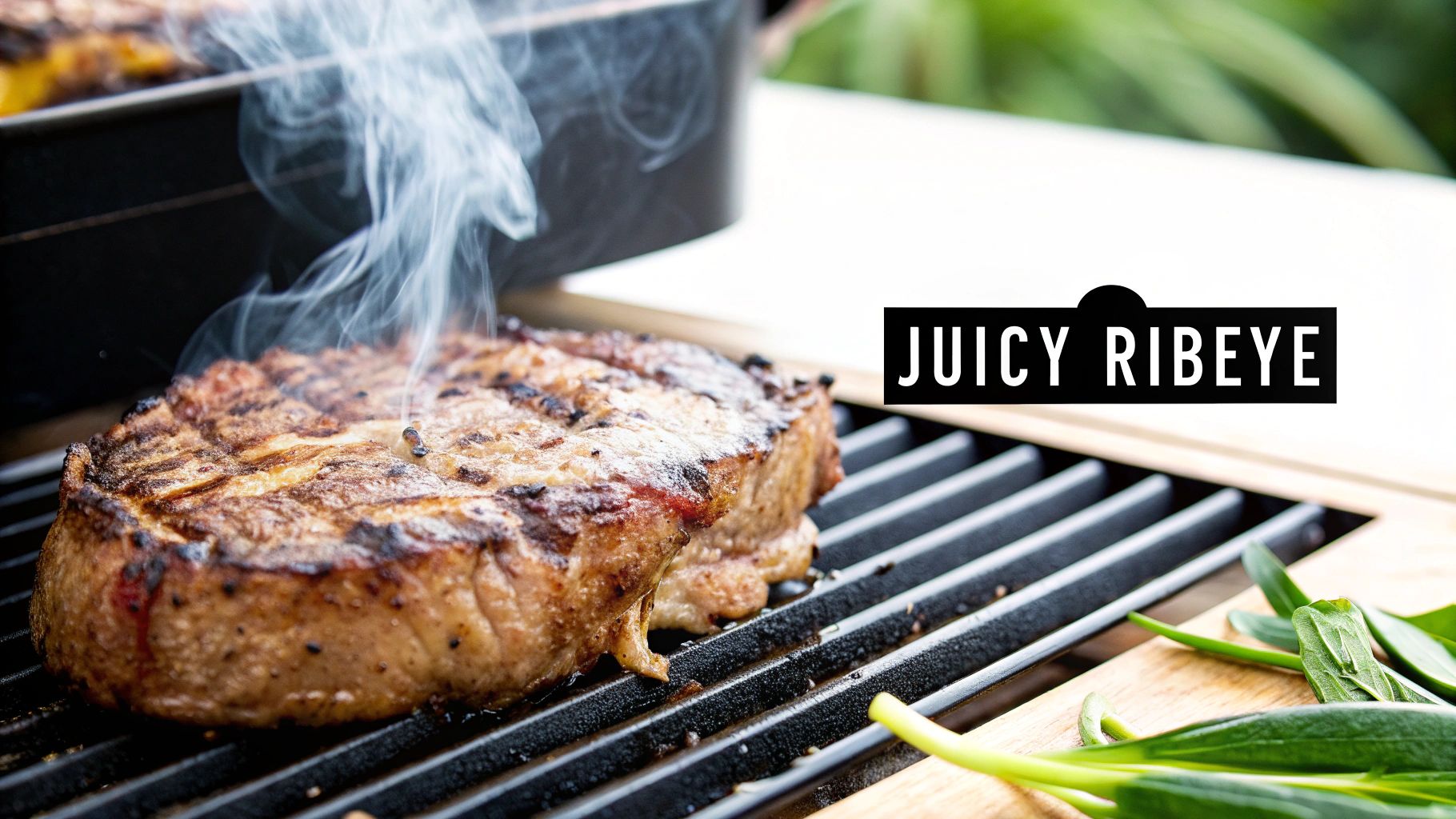
The Ribeye is a powerhouse cut revered by chefs and diners alike for its exceptional flavor and tenderness, making it one of the best steaks for grilling. Sourced from the rib primal, its signature feature is the generous intramuscular fat, or marbling, which melts during cooking. This process continuously bastes the meat from the inside out, guaranteeing a juicy, rich, and beef-forward taste that few other cuts can match.
Grilling Technique and Commercial Charbroiler Tips
For a perfect ribeye, aim for a thickness of 1.5 to 2 inches. This allows you to achieve a deeply seared crust without overcooking the interior. On a commercial charbroiler, the high heat is your greatest asset. The rendering fat will cause flare-ups; while these can be managed, a little flame-kissed action is what imparts that signature smoky char that defines a great grilled steak. Proper management of these flare-ups is crucial, which ties directly into the effectiveness of your kitchen's exhaust system. For a deeper understanding of this, you can review details on commercial kitchen ventilation requirements to ensure safety and performance.
Seasoning, Plating, and Profitability
A high-quality ribeye needs little more than coarse sea salt and freshly cracked black pepper to shine. For those looking to source high-quality Ribeye for your grilling endeavors, you might also want to explore our premium Ribeye product options.
- Target Temperature: Cook to an internal temperature of 130-135°F for a perfect medium-rare.
- Portioning: A standard 12-16 oz portion is ideal for a center-of-the-plate feature.
- Plating: Let the steak rest for 10 minutes before slicing or serving whole. Pair it with classic steakhouse sides like creamed spinach, roasted garlic mashed potatoes, or a simple arugula salad to complement its richness.
Given its premium status, the ribeye commands a higher menu price, making it a highly profitable item that consistently satisfies customer expectations for a top-tier steak experience.
2. New York Strip Steak: The Perfect Balance of Flavor and Texture
The New York strip is a quintessential steakhouse classic, celebrated for its satisfying chew and robust beef flavor. Cut from the short loin, this steak strikes a perfect balance between the rich marbling of a ribeye and the lean tenderness of a filet mignon. Its fine-grained texture and the thick fat cap along one edge make it one of the best steaks for grilling, as it develops a beautiful crust while the interior remains juicy and flavorful.
Grilling Technique and Commercial Charbroiler Tips
For an exceptional New York strip, choose a cut that is at least 1.5 inches thick. This thickness ensures you can achieve a hard sear on your commercial charbroiler without overcooking the center. Start by searing the fat cap for a minute or two; this renders the fat, adding flavor and preventing flare-ups. Then, grill over high heat at 400-450°F. The consistent heat of a charbroiler is ideal for creating the pronounced grill marks and even cooking this cut is known for.
Seasoning, Plating, and Profitability
The New York strip’s well-rounded beefiness is best complemented by simple seasoning, like coarse salt and freshly cracked black pepper. While it's a premium cut, its popularity and slightly lower cost compared to a ribeye can make it a more accessible yet highly profitable menu item. Ensuring your steakhouse is visible online is key; a strong digital presence, built through expert article writing and blogger outreach, can attract customers specifically searching for classic steak experiences.
- Target Temperature: Grill to an internal temperature of 130-135°F for a perfect medium-rare.
- Portioning: A 10-14 oz portion provides a substantial and satisfying meal.
- Plating: After resting for 5-7 minutes, serve it whole or sliced against the grain. It pairs beautifully with a bold red wine sauce, sautéed mushrooms, or crispy onion straws.
The New York strip consistently delivers on customer expectations for a high-quality steak, making it a reliable and profitable anchor for any grill-focused menu.
3. Tomahawk Ribeye Steak: The Ultimate Showstopper
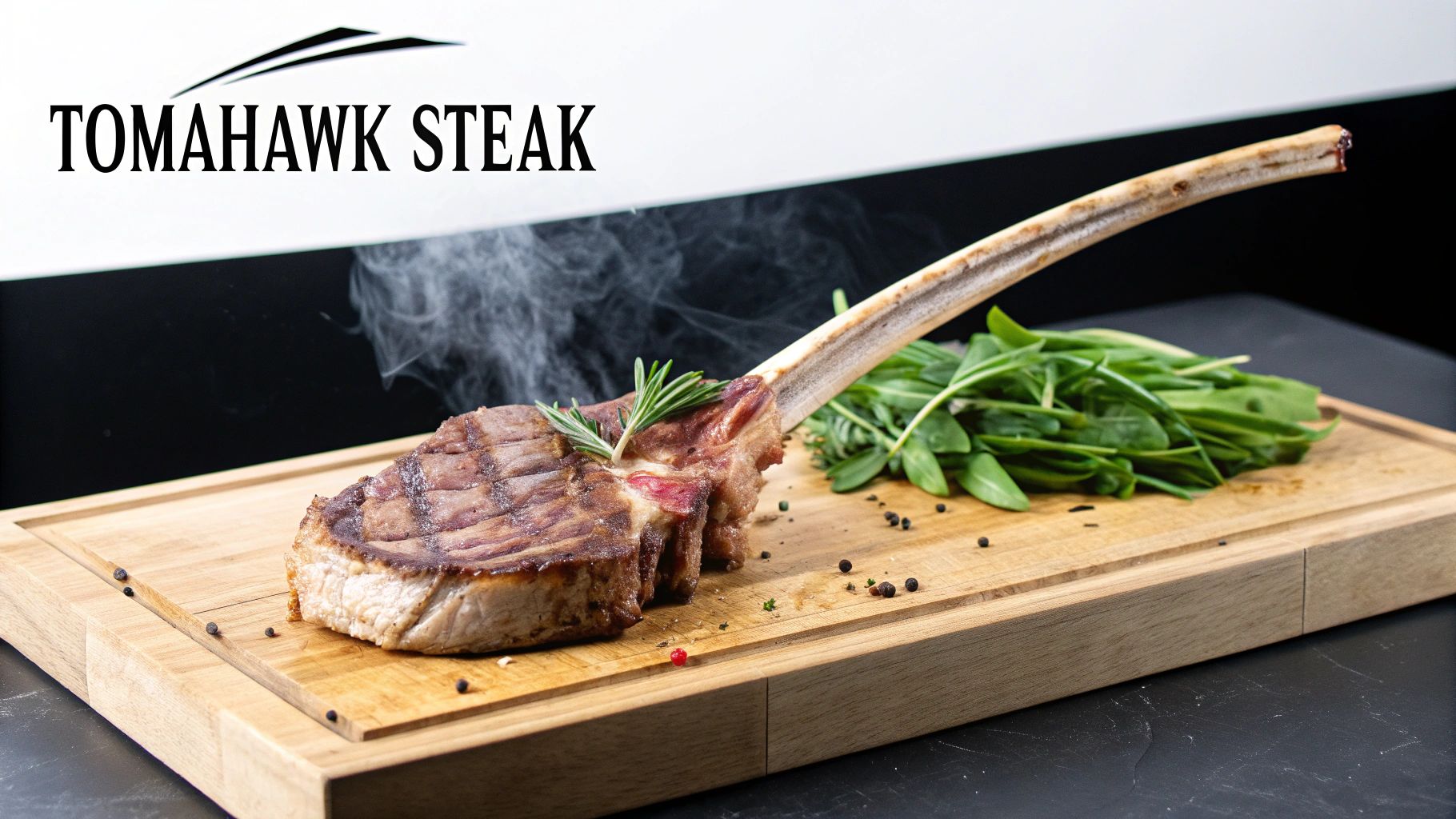
The Tomahawk is less a specific cut and more a statement piece. It is a large, bone-in ribeye with the entire rib bone left intact, creating a visually stunning presentation that commands attention. This impressive cut, often weighing between 30 and 45 ounces, offers all the rich, marbled flavor of a traditional ribeye. The long bone not only adds a dramatic flair but also insulates the meat while it cooks, contributing to its exceptional juiciness and flavor, cementing its place as one of the best steaks for grilling for special occasions.
Grilling Technique and Commercial Charbroiler Tips
Due to its immense thickness, the Tomahawk steak requires a two-stage cooking method known as the reverse sear. Start by cooking it over low, indirect heat on your commercial grill until it reaches an internal temperature of about 120°F. Then, move it to the hottest part of the grate for a final, high-heat sear to develop a perfect, flavorful crust. This technique ensures an evenly cooked interior without burning the outside. Having the right grilling equipment is essential for this process; you can find the necessary tools by consulting a commercial kitchen equipment checklist to outfit your kitchen properly.
Seasoning, Plating, and Profitability
The sheer quality and flavor of a Tomahawk demand simple seasoning. A generous coating of coarse sea salt, freshly cracked black pepper, and perhaps some fresh herbs like rosemary and thyme is all that is needed to complement its rich, beefy taste.
- Target Temperature: Aim for 125-130°F for a perfect medium-rare after searing and resting.
- Portioning: This steak is designed for sharing, typically serving two to four people.
- Plating: Let the steak rest for at least 10-15 minutes to allow the juices to redistribute. Serve it whole on a large cutting board for tableside carving, creating a memorable dining experience that guests will share on social media.
The Tomahawk's impressive size and presentation make it a high-margin, high-impact menu item. It acts as a centerpiece that elevates the perceived value of your establishment and drives significant profit.
4. Filet Mignon (Tenderloin): The Epitome of Tenderness
Filet Mignon, cut from the tenderloin, is legendary for its unparalleled tenderness and buttery, melt-in-your-mouth texture. Sourced from a muscle that does very little work, it contains minimal intramuscular fat, resulting in a milder, more delicate beef flavor compared to cuts like the ribeye. While its leanness presents a challenge on the grill, its status as a premium cut makes it a sought-after item on any menu, offering a different kind of luxury for those who prioritize texture above all else. For many diners, this cut represents the pinnacle of a fine dining steak experience.
Grilling Technique and Commercial Charbroiler Tips
The key to grilling filet mignon is protecting its lean meat from drying out. A common technique is wrapping the steak in bacon (a "barded" filet), which adds fat, flavor, and moisture during cooking. On a commercial charbroiler, use a two-zone heating setup. Start the filet on the cooler, indirect heat side to gently bring it to temperature without overcooking. Once it's about 10-15°F below your target, move it to the high-heat zone for a quick, final sear to develop a crust. This controlled method ensures it remains one of the best steaks for grilling when tenderness is the goal.
Seasoning, Plating, and Profitability
Due to its mild flavor, filet mignon serves as an excellent canvas for sauces and compound butters. While simple salt and pepper work, this cut truly shines when paired with a classic béarnaise, a rich red wine reduction, or a decadent blue cheese crust. Restaurants like The Palm have built their reputation on signature filet preparations that elevate the cut. For those sourcing premium tenderloin, consider exploring our exclusive Filet Mignon selection to guarantee quality.
- Target Temperature: Do not cook past medium (135-140°F). Aim for 125-130°F for a perfect medium-rare that preserves its signature texture.
- Portioning: A 6-8 oz portion is standard, reflecting its richness and higher cost per pound.
- Plating: Let it rest for 5-10 minutes. Serve whole, topped with a pat of garlic-herb compound butter or drizzled with a pan sauce. Accompany with elegant sides like asparagus hollandaise or potato gratin.
The Filet Mignon carries the highest food cost but also commands the highest menu price. Its reputation as a luxurious, special-occasion steak makes it a reliable, high-profit-margin centerpiece that appeals to diners seeking an elegant and tender experience.
5. Porterhouse Steak: The Best of Both Worlds
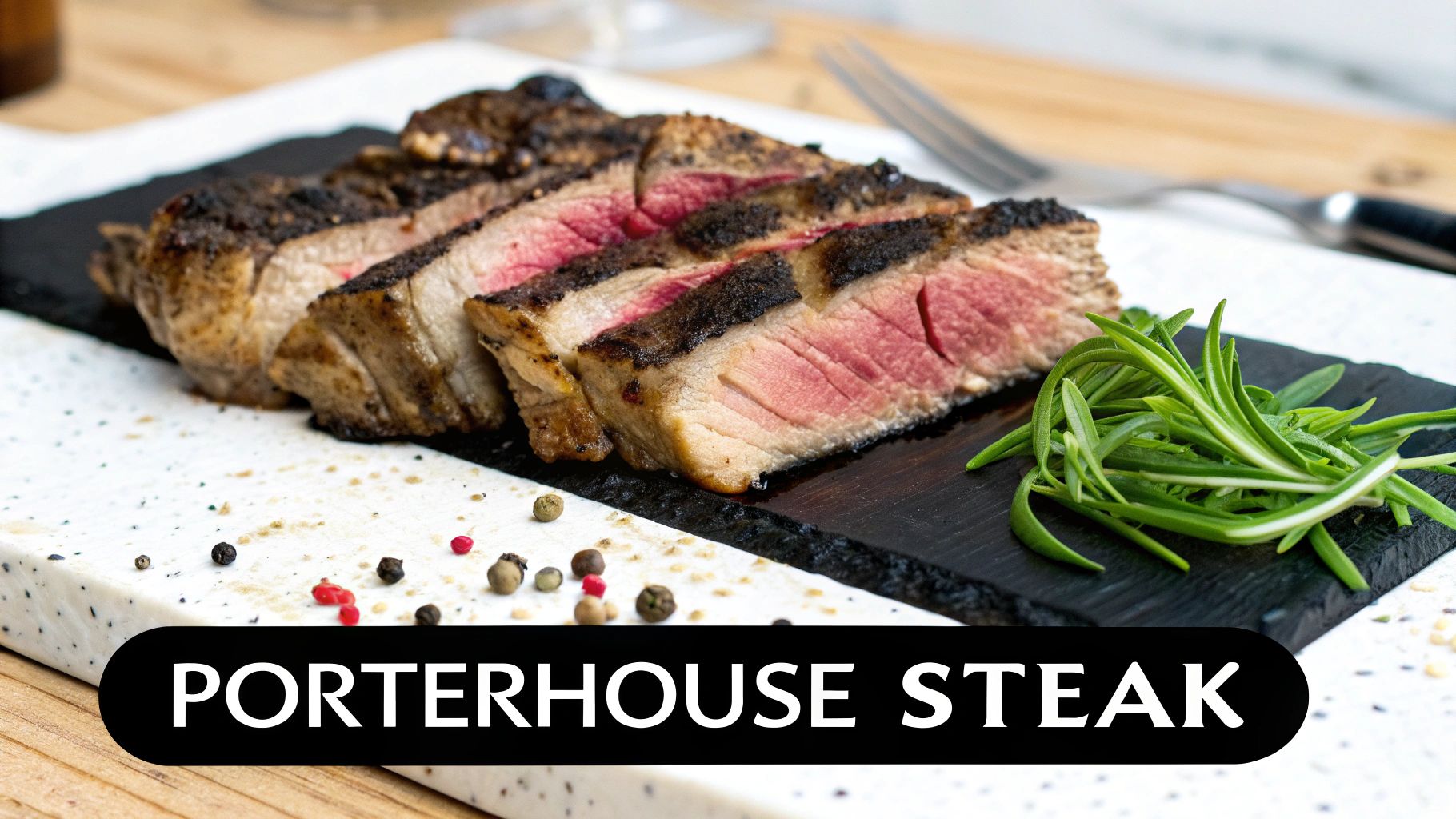
The Porterhouse is the ultimate steak-lover's dream, offering two distinct and incredible steak experiences in a single, impressive cut. It's a composite steak from the short loin that features a large portion of the tender filet mignon on one side of the T-shaped bone and a flavorful New York strip on the other. This duality makes it one of the best steaks for grilling, satisfying diners who crave both the buttery tenderness of a filet and the rich, beefy bite of a strip.
Grilling Technique and Commercial Charbroiler Tips
Grilling a Porterhouse requires a strategic approach due to the two different muscles cooking at different rates. The filet side will cook much faster than the strip side. On a commercial charbroiler, position the tenderloin portion toward the cooler edge of the grill to prevent it from overcooking while the strip side gets a perfect sear. This two-zone cooking method is fundamental and highlights the importance of an efficient station setup. An intelligent kitchen layout ensures chefs can manage multiple cooking zones effectively; you can explore more on creating such an environment by reviewing our guide on commercial kitchen design and layout.
Seasoning, Plating, and Profitability
Like other premium cuts, a Porterhouse shines with simple seasoning like coarse salt and black pepper, allowing the distinct flavors of each side to stand out. Its grand size makes it an ideal "for two" menu offering.
- Target Temperature: Aim for 130°F on the strip side for medium-rare, which should leave the filet perfectly tender.
- Portioning: These are large cuts, typically ranging from 24 to 40 oz, perfect for a shareable centerpiece.
- Plating: Rest the steak for at least 10 minutes. Carve both the strip and filet from the bone and slice each against the grain before reassembling on the platter for a stunning presentation.
The Porterhouse is a high-ticket item that signals a premium dining experience. Its "wow factor" and shareable nature make it a highly profitable and memorable addition to any steakhouse or high-end restaurant menu.
6. T-Bone Steak: The Best of Both Worlds
The T-Bone is a classic American steakhouse staple that offers a unique dual experience, solidifying its place among the best steaks for grilling. Cut from the short loin, this steak features a distinctive T-shaped bone that separates two prized muscles: the robustly flavored New York strip on one side and the buttery, tender filet mignon on the other. While similar to the Porterhouse, the T-Bone has a smaller tenderloin section (less than 1.25 inches wide), offering great value and a fantastic introduction to two different textures and tastes in a single cut.
Grilling Technique and Commercial Charbroiler Tips
Grilling a T-Bone requires careful heat management due to its two distinct muscles. The tenderloin cooks faster than the strip, so position the steak on the grill with the filet portion facing a cooler zone. On a high-output commercial charbroiler, this means placing the tenderloin further from the primary heat source. Aim for a 1 to 1.5-inch thickness to achieve a beautiful sear without overcooking the smaller filet. Effective grilling on this scale also depends on your kitchen's airflow; robust systems are essential for handling the smoke and heat produced by multiple steaks. Ensuring your setup meets all local standards is key for a safe and efficient operation.
Seasoning, Plating, and Profitability
The dual-flavor profile of a T-Bone steak is best highlighted with simple seasoning, such as coarse salt, black pepper, and a hint of garlic powder. The bone adds an extra layer of flavor as the steak cooks.
- Target Temperature: Pull the steak when the strip side reaches 130-135°F for medium-rare. Check the tenderloin's temperature separately; it will be slightly more done.
- Portioning: A typical T-Bone ranges from 16-20 oz, making it a substantial and impressive menu offering.
- Plating: Let the steak rest for 5-7 minutes before serving whole. It presents beautifully alongside hearty sides like loaded baked potatoes, grilled asparagus, or a classic wedge salad.
The T-Bone is a highly recognizable and popular cut, often seen as a premium yet accessible choice. It delivers strong customer satisfaction and offers a healthy profit margin, making it a reliable and profitable star on any steakhouse or restaurant menu.
7. Kansas City Strip Steak: The Bone-In Powerhouse
A close relative of the New York strip, the Kansas City Strip Steak is a testament to regional steakhouse tradition, distinguished by one key feature: the bone. Cut from the short loin, this steak keeps the bone attached, which not only imparts a deeper, more robust beef flavor during cooking but also helps insulate the meat, ensuring it remains exceptionally juicy. This cut embodies the hearty, flavor-forward character of Midwestern cuisine, making it one of the best steaks for grilling.
Grilling Technique and Commercial Charbroiler Tips
For an authentic Kansas City strip experience, ask your butcher for a cut at least 1.75 inches thick. This thickness is crucial for developing a hard sear on the exterior while keeping the center perfectly medium-rare. On a commercial charbroiler preheated to 400-450°F, grill for 4-5 minutes per side. Use the bone as a natural handle for flipping, and don't forget to briefly sear the bone side to render the attached fat and add another layer of caramelized flavor.
Seasoning, Plating, and Profitability
The rich, beefy profile of a Kansas City strip steak stands up well to simple seasoning like coarse salt and fresh black pepper. However, it’s also an excellent canvas for a classic steakhouse rub or a touch of garlic and herbs. For kitchens aiming to elevate their online presence, a beautifully grilled steak is a powerful marketing tool. High-quality imagery and descriptions on your website can be amplified through strategic SEO and content marketing, drawing in customers searching for the ultimate steak experience.
- Target Temperature: Aim for 130-135°F for a classic medium-rare, allowing the intramuscular fat to render perfectly.
- Portioning: A typical portion weighs between 14-18 oz, making it a substantial and satisfying centerpiece.
- Plating: Let the steak rest for a minimum of 7-10 minutes to allow the juices to redistribute. Serve it whole, bone-in, alongside loaded baked potatoes, grilled asparagus, or a bold red wine reduction sauce.
The impressive presentation and superior flavor of the bone-in Kansas City strip allow it to be positioned as a premium menu item, offering excellent profitability and a memorable dining experience for steak lovers.
8. Cowboy Ribeye (Bone-In Ribeye): A Statement of Steakhouse Excellence
The Cowboy Ribeye is the bone-in big brother to the classic ribeye, offering an impressive, rustic presentation and an even deeper flavor profile. This cut is essentially a thick-cut ribeye with a short, frenched rib bone left attached. The bone insulates the meat while it cooks, leading to an exceptionally juicy and tender result, and it imparts a richer, more profound beef flavor into the surrounding meat, making it one of the best steaks for grilling when you want to make a statement.
Grilling Technique and Commercial Charbroiler Tips
Due to its significant thickness, often 2 inches or more, the Cowboy Ribeye benefits greatly from a two-zone cooking method like the reverse sear. On a commercial charbroiler, start the steak over indirect, lower heat (around 225-250°F) until it nears your target temperature. Then, move it to the high-heat direct zone for a final, hard sear to develop a magnificent crust. Always use a meat thermometer, inserting it into the thickest part of the meat away from the bone for an accurate reading.
Seasoning, Plating, and Profitability
The robust flavor of the Cowboy Ribeye stands up well to bold seasonings, though coarse salt and black pepper are often all that's needed. For a classic steakhouse touch, consider a garlic and herb butter baste during the final moments of cooking. This premium cut is a centerpiece attraction, popularized by Western-themed and high-end steakhouses for its "wow" factor.
- Target Temperature: Pull from the heat at 125-130°F for a perfect medium-rare after resting.
- Portioning: These are large cuts, typically ranging from 18 to 24 oz, perfect for a signature menu item or a shared plate.
- Plating: Let the steak rest for at least 10-15 minutes. Serve it whole with the bone proudly displayed, perhaps next to hearty sides like a loaded baked potato or grilled asparagus, to create an unforgettable dining experience.
The Cowboy Ribeye’s impressive size and superior flavor justify a top-tier menu price, positioning it as a highly profitable, show-stopping entree that attracts steak connoisseurs.
9. Flat Iron Steak: The Tender and Affordable Champion
The Flat Iron steak has rapidly become a favorite among chefs and savvy consumers, prized for delivering exceptional tenderness and rich beef flavor at a more accessible price point. Sourced from the top blade of the shoulder clod, this cut benefits from the removal of a tough, central connective tissue, which unlocks its inherent tenderness. With its uniform thickness and fine marbling, the Flat Iron is one of the best steaks for grilling, offering a dining experience that rivals more expensive cuts.
Grilling Technique and Commercial Charbroiler Tips
The Flat Iron’s leanness and uniform shape make it ideal for high-heat, fast-cooking methods. Aim for a steak that is about 1 inch thick. On a commercial charbroiler, preheat the grates to over 450°F to achieve a rapid, beautiful sear that locks in the juices. Because it cooks quickly, precise timing is essential to avoid overcooking. This cut’s consistent performance makes it a reliable and efficient choice for busy service times, minimizing waste and maximizing grill space.
Seasoning, Plating, and Profitability
A simple seasoning of salt and pepper is sufficient, but the Flat Iron’s robust flavor also stands up well to marinades, especially those with acidic components like citrus or vinegar to enhance tenderness. This versatility is key to its appeal. For restaurants looking to market their unique offerings, highlighting a signature Flat Iron dish through well-crafted menu descriptions and targeted article writing for restaurant equipment supply websites can attract customers seeking both value and quality.
- Target Temperature: Pull the steak from the grill at 125-130°F for a perfect medium-rare finish.
- Portioning: A standard 8-10 oz portion is satisfying and cost-effective.
- Plating: Rest for 5-7 minutes before slicing thinly against the grain. This last step is crucial for ensuring maximum tenderness. Serve fanned out over chimichurri, alongside fries, or as the star of a steak salad.
The Flat Iron’s attractive price point allows for an excellent food cost percentage, making it a highly profitable menu item that delivers on the promise of a high-quality steak experience without the premium price tag.
10. Reverse Sear Thick-Cut Prime Rib Eye (36-40oz)
While not a specific cut, the reverse sear method applied to a thick-cut prime ribeye represents the pinnacle of modern grilling techniques, earning its spot among the best steaks for grilling. This approach inverts the traditional sear-first process, instead slowly bringing a massive 2-inch or thicker steak up to temperature over indirect heat before finishing it with a blistering sear. The result is unparalleled edge-to-edge perfection, eliminating the common gray band of overcooked meat found in traditionally grilled steaks.
This technique, popularized by food science authorities and adopted by high-end steakhouses like Cote in New York, offers chefs incredible control over the final product. It ensures that a premium, high-cost cut like a 36-40oz prime ribeye is cooked flawlessly every time, protecting profit margins and delivering a "wow" factor for shared dining experiences.
Grilling Technique and Commercial Charbroiler Tips
The key to a successful reverse sear is a two-zone fire on your commercial charbroiler. Place the thick-cut steak on the cooler, indirect heat side (around 225-250°F) with the lid closed. Cook it slowly until the internal temperature reaches about 115-120°F for a target medium-rare. This slow-roasting phase gently renders the marbling and ensures even cooking.
Once the target temperature is hit, move the steak to the hottest direct-heat zone (500°F+). Sear it for just 60-90 seconds per side to develop a magnificent, dark crust. The dry surface created during the slow-cooking phase allows for a faster, more effective Maillard reaction.
Seasoning, Plating, and Profitability
Generously season the steak with coarse salt and black pepper before it hits the grill; the slow cook time allows the salt to penetrate deeply. Given its large size, this steak is designed for sharing between two to four guests, making it a high-impact, high-profit centerpiece.
- Target Temperature: Pull from the slow-cook zone at 115-120°F, with a final resting temperature around 130-135°F after searing.
- Portioning: A 36-40oz steak is a signature shareable item that commands a premium price.
- Plating: Let it rest for a crucial 10-15 minutes. Slice it off the bone and present it pre-sliced on a large platter or wooden board, served with accompaniments like a flight of finishing salts, béarnaise sauce, and roasted bone marrow.
This method transforms a great steak into an unforgettable dining event, justifying its premium menu placement and driving both customer satisfaction and revenue.
Top 10 Steaks for Grilling — Comparison
| Steak Cut | 🔄 Implementation Complexity | ⚡ Resource Requirements | ⭐📊 Expected Outcomes | 💡 Ideal Use Cases / Key Advantages |
|---|---|---|---|---|
| Ribeye Steak | Low — straightforward high-heat grilling | Moderate — quality ribeye, very hot grill | Juicy, rich flavor with reliable crust; forgiving doneness | Casual grilling & steakhouses — ⭐ Exceptional marbling, consistent results |
| New York Strip Steak | Medium — careful temp control to avoid drying | Moderate — leaner cut, precise heat control | Balanced beefy flavor, good crust; less forgiving than ribeye | Classic steak dinners — ⭐ Leaner profile with strong crust potential |
| Tomahawk Ribeye Steak | High — large thickness; even cooking is challenging | High — oversized cut, long cook time, probe thermometer | Spectacular presentation; deep flavor; risk of uneven center | Special occasions / sharing — ⭐ Dramatic presentation; bone-enhanced flavor |
| Filet Mignon (Tenderloin) | Medium — delicate, high risk of drying if overcooked | Moderate — small portions; often needs added fat (bacon/butter) | Unmatched tenderness, mild beef flavor; less pronounced crust | Fine dining / tender-focused diners — ⭐ Buttery texture; elegant plating |
| Porterhouse Steak | High — must manage two muscles with different cooking rates | High — large cut, two-zone grill, thermometer advised | Two distinct textures: robust strip and tender filet; tricky doneness | Sharing & steak enthusiasts — ⭐ Variety in one cut; impressive presentation |
| T-Bone Steak | Medium-High — similar dual-zone cooking but smaller than porterhouse | Moderate — bone-in, manageable size for 1–2 people | Good balance of flavor and tenderness; easier than porterhouse | Single or two-person meals — ⭐ Bone flavor at a better value than porterhouse |
| Kansas City Strip Steak | Medium — bone-in handling and positioning required | Moderate — thicker bone-in cut, steady heat | Robust, well-marbled flavor with strong crust and presentation | Regional steakhouse style / hearty meals — ⭐ Bone-in richness and thick-cut appeal |
| Cowboy Ribeye (Bone-In Ribeye) | High — thick bone-in needs time and heat control | High — large portion, reverse sear recommended, thermometer | Very juicy, intense flavor; showy presentation; slower cook | Steakhouse mains / celebrations — ⭐ Bone intensifies flavor; excellent marbling |
| Flat Iron Steak | Low-Medium — quick high-heat cook; slice against grain | Low — affordable cut, hot grill, quick timing | Tender and flavorful for price; quick turnaround | Weeknight grilling & value menus — ⭐ Great value; near-tenderloin texture |
| Reverse Sear Thick-Cut Prime Rib Eye (36–40oz) | High — technique-focused (low-and-slow then sear) | High — probe thermometer, two-zone setup, longer time | Exceptional edge-to-edge doneness with perfect crust and predictability | Precision cooking / premium thick cuts — ⭐ Precise results for very thick steaks |
Turn Up the Heat: Translating Your Grill Skills into Growth
You've journeyed through the prime cuts, from the marbled majesty of the Ribeye to the delicate tenderness of the Filet Mignon. We've explored the intricate details that separate a good steak from an unforgettable one: precise grilling techniques, ideal internal temperatures, and the art of seasoning. Mastering these elements is the cornerstone of any successful steak program, establishing a foundation of quality and consistency that customers can taste and trust. The list of the best steaks for grilling is more than just a menu guide; it's a playbook for creating exceptional dining experiences that drive loyalty and word-of-mouth praise.
Each cut discussed, whether the show-stopping Tomahawk or the versatile Flat Iron, represents a strategic choice for your menu. By understanding the unique flavor profiles, cost implications, and ideal cooking methods for each, you empower your kitchen to perform at its peak. This knowledge allows you to craft a diverse and profitable menu that caters to different palates and price points, ensuring every guest finds their perfect steak.
From Grill Master to Market Leader
Executing a flawless steak is only half the battle. To truly capitalize on your culinary expertise, you must translate the sizzle of the grill into a powerful marketing message. In today's digital landscape, your online presence is as crucial as your kitchen equipment. The passion and skill you pour into grilling the perfect Cowboy Ribeye or reverse-searing a prime cut must be communicated to a wider audience. This is where strategic content and digital marketing become your most valuable allies.
Think of it this way: a perfectly grilled Porterhouse is a visual masterpiece. High-quality photography and video content of that steak, shared on your blog and social media, can attract diners before they even walk through your door. A well-written article detailing your unique grilling process not only showcases your expertise but also significantly boosts your website's SEO, helping you rank for key terms like "best steaks for grilling" in your local area.
To effectively bridge the gap between your kitchen and your customers, consider these actionable steps:
- Develop a Content Strategy: Create blog posts that dive deep into specific cuts, grilling tips, or drink pairings. This positions your restaurant as an authority and improves your search engine rankings.
- Leverage Local SEO: Optimize your online presence to attract local diners searching for the "best steakhouse near me." This includes managing your online citations, gathering positive reviews, and ensuring your business information is accurate across all platforms.
- Engage with Blogger Outreach: Collaborate with local food bloggers and influencers to review your steak offerings. Authentic, third-party endorsements can build immense credibility and drive significant foot traffic.
Ultimately, your success hinges on a dual strategy: culinary excellence powered by a world-class commercial charbroiler and a robust digital marketing plan that tells your story effectively. By mastering both, you don't just serve great food; you build a brand that stands for quality, expertise, and an unparalleled dining experience. You transform your restaurant from a local spot into a celebrated destination for steak lovers. The journey from selecting the right cuts to becoming a market leader is fueled by heat, skill, and smart strategy.
Ready to build your reputation on the foundation of a perfect sear? The right equipment is non-negotiable for consistently delivering the best steaks for grilling. Explore our premier selection of commercial charbroilers at Charbroilers.com and find the ideal unit to elevate your kitchen's performance and anchor your menu's success.