

Don't Get Left in the Cold: Your Guide to Buying the Best Commercial Ice Storage Bin
Why Your Business Needs the Right Commercial Ice Storage Bin
A commercial ice storage bin is essential for any food service business that needs a reliable supply of ice. Here's what you need to know when buying one:
Quick Buying Guide:
- Capacity: Choose 250-500 lbs for small bars/cafes, 500-1000 lbs for busy restaurants, 1000+ lbs for hotels and high-volume operations
- Material: Stainless steel offers durability and easy cleaning; plastic/vinyl exteriors cost less but may not last as long
- Size: Measure your space carefully - bins range from 22" to 60" wide
- Features: Look for NSF certification, insulated poly liners, built-in drain systems, and included ice scoops
- Price Range: Expect $1,400-$5,000+ depending on capacity and features
Running out of ice during peak hours frustrates customers and staff. The right ice storage bin prevents this by providing a sanitary place to store large quantities of ice from your ice machine.
Choosing the right bin is a challenge. Too small, and you'll run out; too large, and you waste space and money. The wrong material can be hard to clean, and poor integration with your ice machine can cause installation issues.
Commercial ice storage bins range from under 100 lbs to over 1,000 lbs capacity. They have stainless steel or plastic exteriors, with quality models featuring food-grade poly liners and NSF certification for public health and safety.
I'm Sean Kearney from Charbroilers.com. With over a decade in the restaurant equipment industry, I've helped countless businesses select the perfect commercial ice storage bin. This guide will walk you through everything you need to know to make the right choice.
Similar topics to commercial ice storage bin:
Key Factors When Choosing Your Commercial Ice Storage Bin
Choosing the right commercial ice storage bin is crucial for smooth operations. A wrong choice can lead to ice shortages, wasted space, or equipment that doesn't fit. When working with restaurant owners, we start with three key questions: How much ice do you need? Where will it go? And what are your durability requirements?
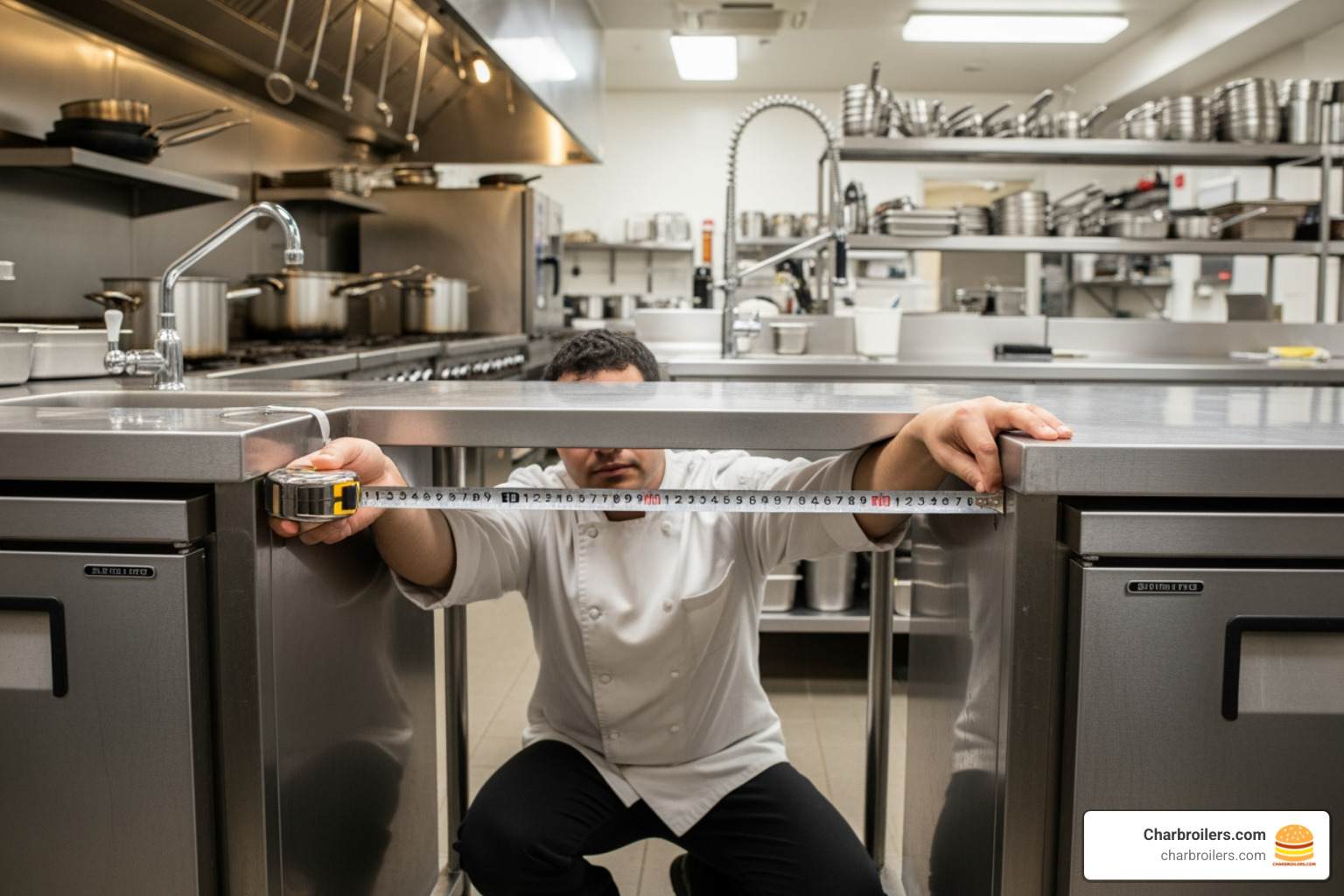
Your business volume and peak demand times dictate your needs. Always measure your available space twice before ordering to avoid fitment issues. The goal is to match your bin to your ice machine's output with a buffer for busy days. Let's break down how.
Calculating the Right Capacity for Your Commercial Ice Storage Bin
Storage capacity, measured in pounds, is the most critical factor when choosing a commercial ice storage bin. Too small, and you'll run out; too large, and you're wasting money.
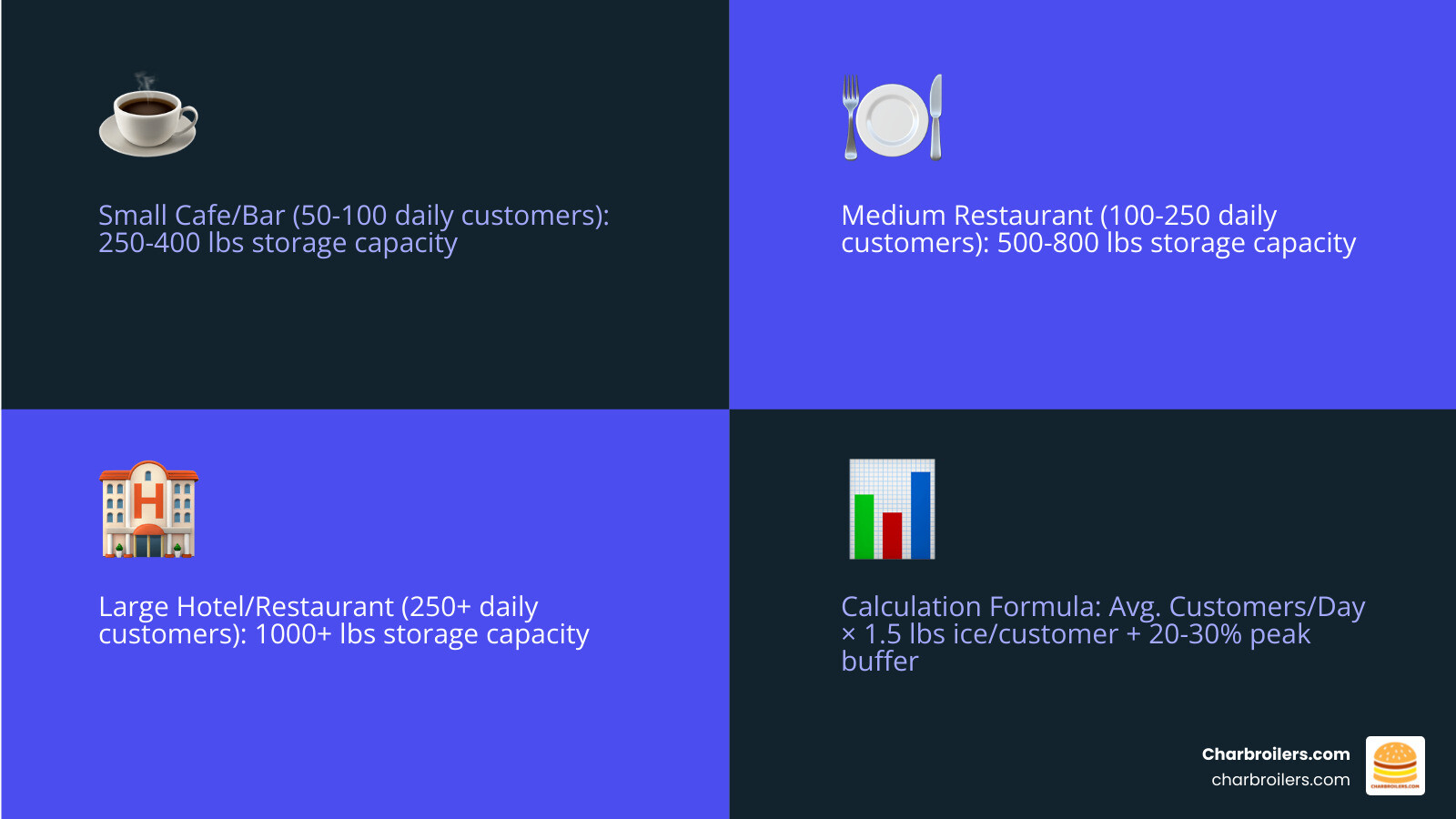
- A small cafe or sandwich shop usually needs a bin holding 250-500 lbs to handle daily needs without taking up too much space.
- A busier restaurant with a full bar will likely require 500-1000 lbs of capacity to keep up with demand during peak hours.
- Large hotels, healthcare facilities, or banquet halls often need bins that hold 1000 lbs or more to support high-volume operations.
As a practical tip, aim for enough storage to cover one full day of peak demand. This provides a buffer for maintenance or unexpectedly busy shifts. Match your bin's capacity to your ice machine's production rate. A 500 lb/day machine with a 200 lb bin creates a bottleneck, while a 1500 lb bin with a 300 lb/day machine is wasteful.
For more insights on creating the perfect ice machine and bin partnership, check out our guide on Cool Choices for Commercial Ice Maker and Bin Setups.
Material Matters: Stainless Steel vs. Plastic Exteriors
The exterior material of your commercial ice storage bin affects its durability, ease of cleaning, and ability to withstand a busy kitchen. You'll typically choose between stainless steel and plastic or vinyl exteriors.
| Feature | Stainless Steel | Plastic/Vinyl Exterior |
|---|---|---|
| Durability | Excellent; highly resistant to dents and wear | Good; can be more prone to scratches and impact damage |
| Cleaning | Very easy to clean; non-porous surface | Easy to clean; can stain over time |
| Corrosion Resistance | Excellent; ideal for wet, commercial environments | Good; generally resistant, but seams can be vulnerable |
| Aesthetics | Professional, sleek, modern look | Functional; less premium appearance |
| Cost | Higher initial investment | Lower initial investment |
Stainless steel is the industry workhorse. It's durable, resists corrosion, and is easy to clean. Its non-porous surface is crucial for food safety. Quality stainless steel bins often include seamless polyethylene liners for added sanitation, preventing bacteria growth in cracks or crevices.
Plastic or vinyl exteriors are more affordable but less durable. They can scratch and stain over time, and seams may become weak points for moisture. We recommend stainless steel if the budget allows. The higher upfront cost is justified by its longevity, hygiene, and professional look.
Sizing and Dimensions: Ensuring the Perfect Fit
Capacity is how much ice a bin holds; dimensions determine if it fits. Measure your space's width, depth, and height before shopping. Commercial ice bins vary widely, with common widths of 30", 48", and 60", but ranging from 22 inches to 90 inches.
Decide if you need an undercounter bin, which is great for bars, or a freestanding unit that offers more placement flexibility. Also, consider ADA compliance for accessibility, which affects height and door operation.
Remember to leave clearance around the unit for ventilation, door swing, and maintenance access. A few extra inches can save future headaches.
If you're working with limited space, our guide on Don't Sweat the Small Stuff: Top Small Commercial Ice Machines for Your Business might spark some ideas for optimizing your layout.
Types of Commercial Ice Bins and Their Uses
Commercial ice storage bins come in different designs for various operational needs. The right type improves access, service speed, and ice quality.
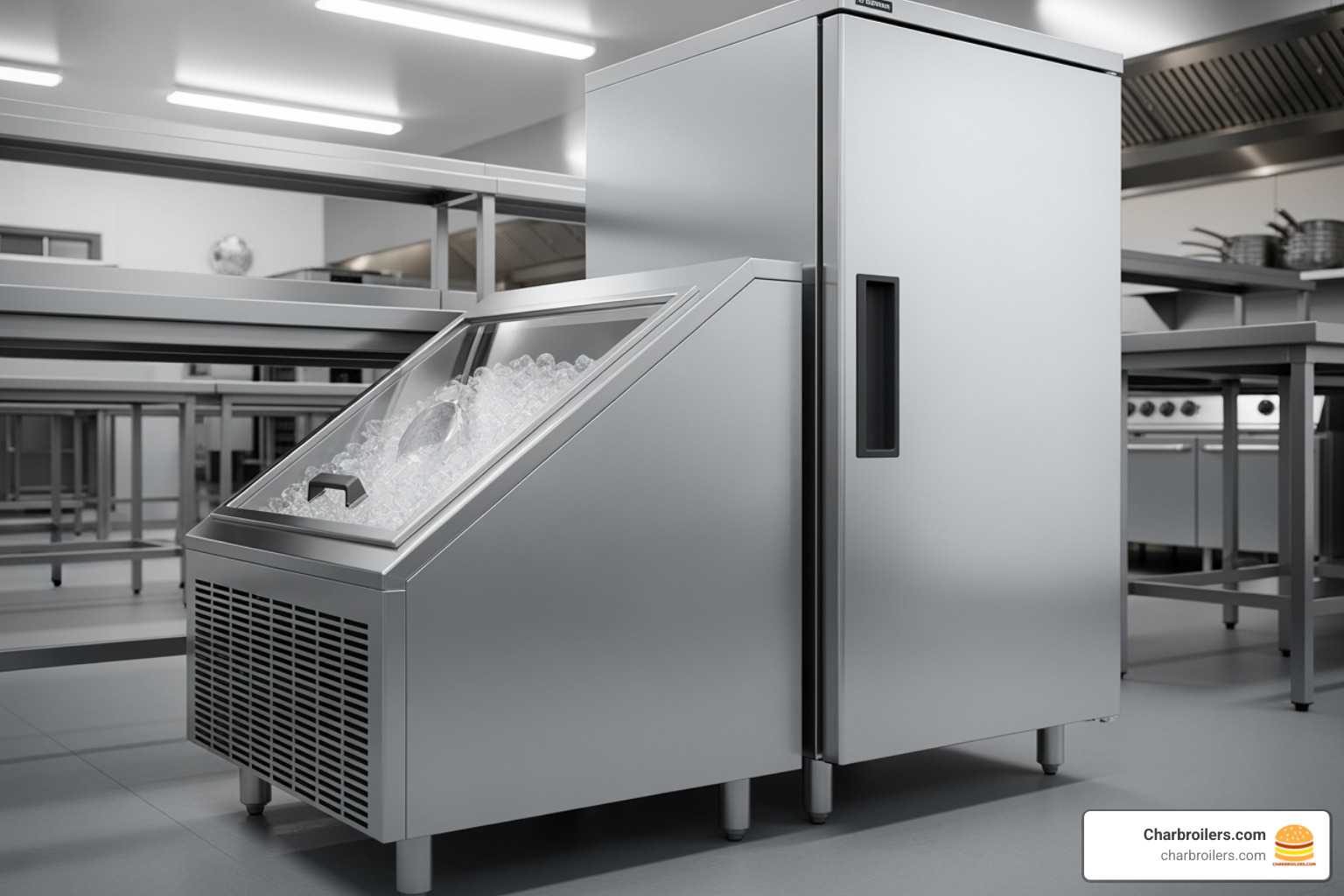
Let's look at the three main types you'll encounter.
Sloped Front Bins
Sloped front bins are invaluable in environments. Their angled front panel provides easy, ergonomic access to ice, speeding up service. The design also promotes a natural first-in, first-out (FIFO) ice rotation, which helps maintain quality and prevent clumping.
We recommend them for high-turnover environments where staff access ice frequently, such as bars, coffee shops, and quick-service beverage stations.
Upright Bins
Upright bins are ideal when you need large capacity but have limited floor space, as they maximize vertical storage. Many feature a First-In, First-Out (FIFO) gravity-fed design, ensuring older ice is used first to maintain freshness. The ice at the bottom is dispensed first, while new ice settles on top.
These are perfect for large restaurants, hotels, and banquet facilities that require high capacity without a large footprint. If you're outfitting a larger venue, our guide on Ice Machines That Mean Business: Hotels, Offices, and Beyond offers additional insights.
Ice Bin and Dispenser Combos
Ice bin and dispenser combos prioritize sanitation. They combine storage with a dispensing mechanism (lever, button, or sensor), so hands and scoops never touch the ice. This makes them ideal for sanitary dispensing in self-service areas like healthcare facilities, cafeterias, and hotel breakfast bars.
The reduced contamination risk helps meet strict health codes and provides customer peace of mind. While they function differently than traditional commercial ice storage bins, they solve the specific problem of providing convenient, hygienic ice access.
Essential Features for Sanitation and Efficiency
Beyond size and price, key features for sanitation and efficiency separate a good commercial ice storage bin from a great one. These details make a real difference in daily operations and long-term value.
The Importance of NSF Certification and Food-Grade Liners
Ice is legally a food product, so your ice bin must meet the same health standards as other food contact surfaces. This is where NSF certification is crucial. When a bin is NSF International standards for food equipment certified, it means the materials are safe, the design is easy to clean, and it won't leach harmful substances into your ice.
The interior lining is also critical. Quality bins use seamless food-grade polyethylene liners that create a smooth, non-porous surface. These corrosion-resistant liners prevent mold and bacteria growth and are easy to sanitize, protecting customers and ensuring health code compliance.
User-Friendly Design: Doors, Drains, and Scoops
Thoughtful design features in a commercial ice storage bin make a big difference in daily use.
Stay-open doors allow for easy, one-handed scooping during busy periods without the door swinging shut. Removable gaskets are also important, as they provide a tight seal to minimize ice melt and can be easily removed for cleaning or replacement.
A built-in scoop holder is a small but vital feature. It keeps the scoop clean, accessible, and out of the ice, preventing contamination.
Finally, a proper drainage system is essential for channeling away meltwater, preventing it from pooling and contaminating the ice. An ice shield can also help control ice flow and prevent spills when the door is opened.
Integrating with Your Ice Machine
Your commercial ice storage bin and ice machine must be compatible to work together seamlessly. Most ice machines sit on top of a bin, but not all combinations fit. Manufacturers provide adapter plates or mounting kits to ensure a secure connection between specific models. These adapters are crucial for safety, as a commercial ice machine is very heavy.
Modern bins often have modular stacking options for flexible configurations. Always double-check compatibility between your chosen ice machine and bin, especially if mixing brands, to avoid issues on delivery day. A quick check of the spec sheets can prevent finding out your new equipment doesn't fit together.
If you're exploring different configuration options, our guide on No Bin, No Problem: Commercial Ice Makers for Modular Setups offers some helpful insights into flexible ice production systems.
Maintenance and Cost Considerations
A new commercial ice storage bin is an investment. To make a smart choice, you need to consider both the upfront price and the long-term ownership costs.

Essential Maintenance for Your Commercial Ice Storage Bin
Regular maintenance is essential for your commercial ice storage bin. Neglecting it can lead to health code violations, poor ice quality, and a shorter equipment lifespan.
Your cleaning schedule is your first line of defense. Perform daily exterior wipe-downs and weekly or bi-weekly deep cleans of the interior to prevent slime, mold, and bacteria buildup. Always follow the manufacturer's cleaning procedures.
Regularly check that the drain is clear and flowing properly to prevent standing water and unsanitary conditions. Inspect door gaskets for damage; worn gaskets increase ice melt, forcing your ice machine to work harder and raising energy bills.
Finally, clean and sanitize the ice scoop daily and store it in its designated holder—never inside the ice. Following these basics will extend your bin's life and keep your ice quality high.
Understanding the Price Range and Cost Factors
Commercial ice storage bin prices typically range from $1,400 to over $5,000. Several factors influence this price range.
Capacity is the biggest price driver; a 1000 lb bin costs much more than a 250 lb one. Material choice is also significant, with durable stainless steel costing more than plastic or vinyl. Brand reputation and features like stay-open doors and superior insulation also add to the cost.
Some bins may have Energy Star qualifications or other efficiency features that can lead to long-term utility savings, though this is more common with the ice machines themselves.
While the initial cost can be substantial, a quality bin is a foundational investment in efficiency, sanitation, and customer satisfaction. The right commercial ice storage bin pays for itself over time through reliable performance and compliance with health standards.
If you're curious about how ice machine pricing works alongside bin costs, our guide Your Essential Ingredient: A Cube Ice Machine Price Guide offers helpful context for budgeting your complete ice solution.
Frequently Asked Questions about Commercial Ice Bins
Here are answers to the most common questions we receive about commercial ice storage bins.
How often should I clean my ice bin?
Your commercial ice storage bin requires regular cleaning to ensure ice safety. Since ice is a food product, the bin must be treated as a food-contact surface.
Perform daily wipe-downs of the exterior and sanitize the ice scoop. A full interior cleaning should be done at least weekly, or bi-weekly for low-volume operations. This involves emptying the ice, washing with detergent, rinsing, and applying a food-safe sanitizer. Always follow the manufacturer's instructions.
Check your local health codes, as they may require more frequent cleaning, especially in busy or high-humidity environments.
What does FIFO mean for an ice bin?
FIFO stands for "First-In, First-Out." It's a principle of using the oldest ice in your commercial ice storage bin first to maintain freshness and quality. This matters because old ice can clump, absorb odors, or develop freezer burn. FIFO rotation ensures every scoop is fresh.
Many upright bin designs have a gravity-fed system that naturally promotes FIFO, requiring no extra effort from staff. Some sloped front bins also encourage this rotation by making it easy to access ice from the bottom layers.
Can I stack any ice machine on any bin?
No, you cannot stack any ice machine on any bin. Compatibility is crucial for safety and proper function. Manufacturers design machines and bins to work as matched pairs for several reasons: the dimensions must align, the bin must support the machine's weight, and the ice chute must line up correctly.
Most brands offer "modular" systems with specific machine-and-bin pairings. They provide essential adapter plates or mounting kits to ensure a secure fit. These are not optional accessories; they are required for safe operation.
Always check manufacturer specifications to confirm compatibility before buying, especially when mixing brands. A mismatch can cause instability, leaks, and safety hazards. For insights on premium systems designed to work together, see our guide on Top Premium Commercial Ice Makers to Keep Your Cool Factor High.
Conclusion
Choosing the right commercial ice storage bin is a foundational decision for any food service operation. This guide has covered key factors like calculating capacity, selecting materials, choosing a design, and understanding sanitation features like NSF certification.
The right bin protects your ice quality, improves staff efficiency, and ensures you meet sanitation standards. Matching the bin to your business needs prevents ice shortages and wasted space, whether you run a small cafe or a large hotel.
At Charbroilers.com, we help food service businesses find the right equipment to build a foundation for success. An ice bin is an essential piece of equipment, and investing in a quality unit saves you headaches and money long-term.
Your commercial ice storage bin might not be the most glamorous piece of equipment in your kitchen, but it's definitely one of the most essential. When you're ready to outfit the rest of your kitchen with reliable, high-performance equipment, we're here to help.
Ready to explore other essential equipment for your kitchen? Explore our complete guide to outfitting your restaurant kitchen. We're here to help you find the perfect solutions for all your commercial cooking needs.