

Beyond the Cube: Unpacking Industrial and Commercial Ice Block Machines
Why Commercial Ice Block Machines Matter for Your Business
A commercial ice block machine produces large, dense blocks of ice (typically weighing 5-50 kg each) through a refrigeration process that takes 6-12 hours per cycle. These machines are essential for industries requiring long-lasting, slow-melting ice for preservation, cooling, and transportation purposes.
Key Facts About Commercial Ice Block Machines:
- Production Capacity: Ranges from 1 ton to 100+ tons per day
- Production Time: 6-12 hours per batch depending on machine capacity
- Energy Consumption: 10-15 kWh per day for a 1-ton machine (efficient models use less)
- Average Lifespan: 8-15 years with proper maintenance
- Ice Block Weights: Customizable from 5 kg to 50 kg per block
- Market Growth: The global commercial ice machine market is projected to grow from USD 1.5 billion (2022) to USD 2.5 billion by 2030
The global commercial ice machine market was valued at USD 1.5 billion in 2022 and is expected to reach USD 2.5 billion by 2030, growing at a steady rate of 6.5% annually. Block ice machines hold the largest market share because of their versatility across fisheries, food service, construction, and medical industries.
Unlike cube or flake ice, block ice has a dense structure that melts much slower, making it ideal for preserving seafood, cooling concrete, and maintaining pharmaceutical cold chains. Producing your own block ice can cost as little as a penny per pound, dramatically reducing operational expenses compared to buying from suppliers.
Two main types dominate the market: brine system machines (which freeze water in molds submerged in saltwater at -10°C) and direct cooling machines (which use aluminum alloy evaporators and refrigerant for faster freezing). Containerized units offer mobility and easy installation, while non-containerized machines provide higher capacity for permanent installations.
I'm Sean Kearney from Charbroilers.com. With over a decade in the restaurant equipment industry, I've seen how the right cooling and preservation solutions can make or break a business. Understanding these machines is key to making a smart investment, whether you're in food service, catering, or another industry that relies on ice.
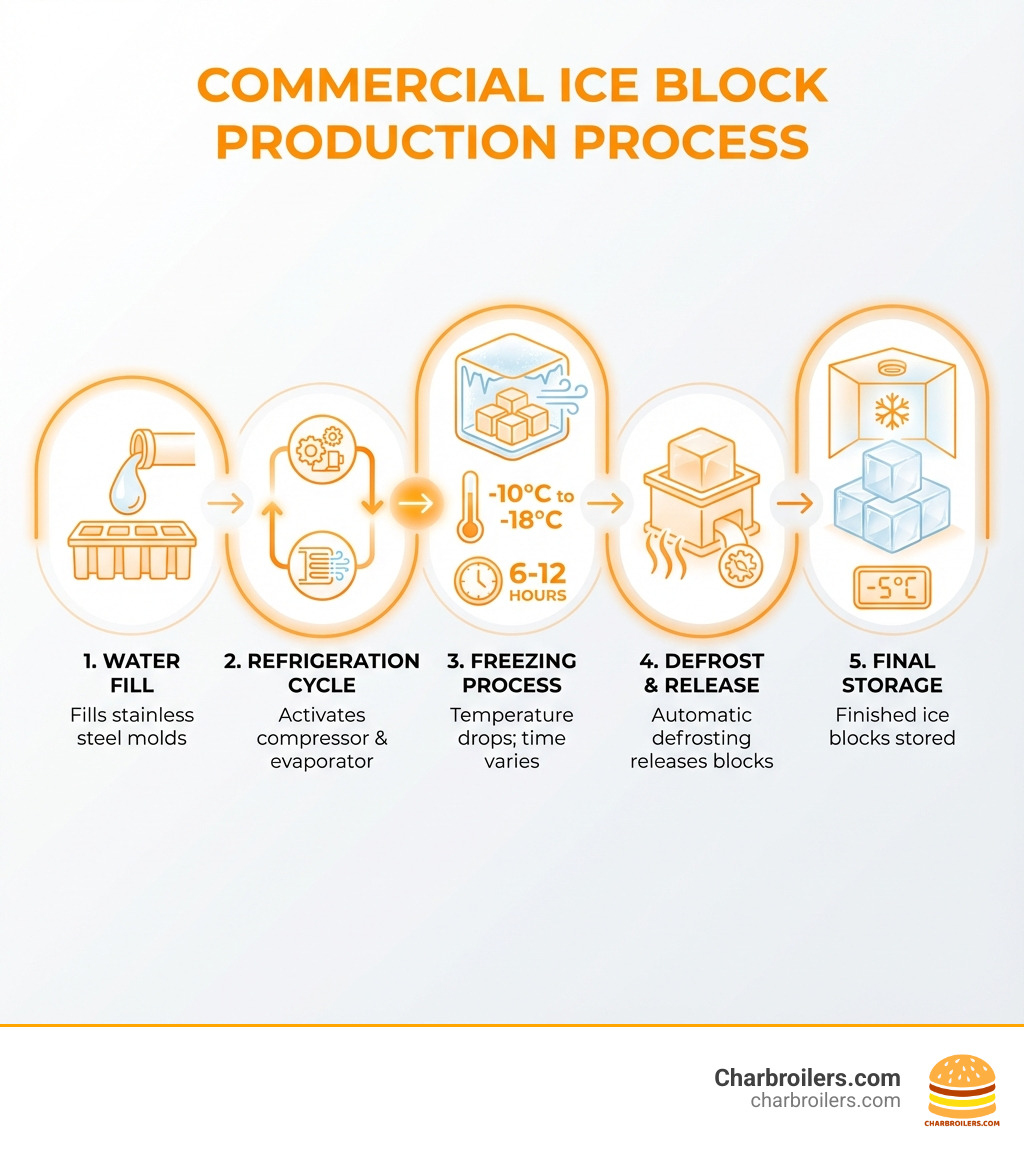
Commercial ice block machine terms at a glance:
The Mechanics of Ice Block Production
If you've ever wondered how those massive, crystal-clear blocks of ice come to be, it all boils down to a fascinating blend of physics and engineering. At its core, a commercial ice block machine is a powerful refrigeration system designed to freeze large volumes of water efficiently. This process isn't a quick sprint; it's more of a marathon, with typical production times ranging from 6 to 12 hours for a batch of ice blocks, depending on the machine's capacity and cooling technology.
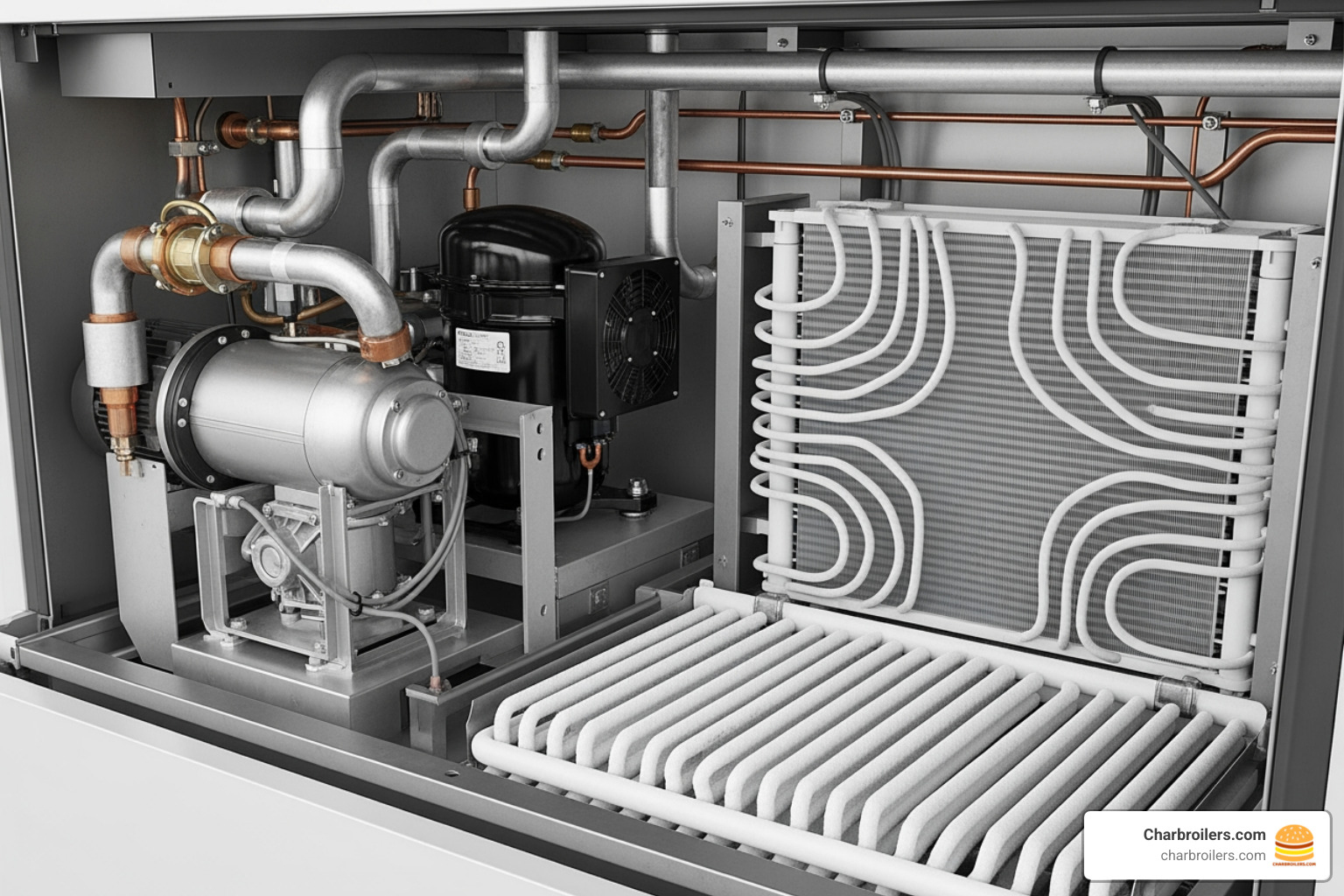
How Do Ice Block Machines Work?
The magic behind a commercial ice block machine lies in its refrigeration cycle, which is essentially a continuous loop of cooling, much like the one in your refrigerator, but on a much grander scale. This cycle involves four main components: the compressor, condenser, expansion valve, and evaporator.
- Compression: A refrigerant gas enters the compressor, which increases its pressure and temperature.
- Condensation: The hot, high-pressure gas moves to the condenser, where it releases heat and condenses into a high-pressure liquid.
- Expansion: The liquid passes through an expansion valve, causing a sudden pressure drop that rapidly cools the refrigerant.
- Evaporation: The cold refrigerant enters the evaporator, absorbing heat from the water. This process freezes the water into ice and turns the refrigerant back into a gas.
Once formed, the ice blocks are harvested. This "doffing" process releases the ice from its molds, often using warm water or hot refrigerant gas to melt the outer layer so the blocks can slide out. The process is controlled to ensure quality and efficiency. For a deeper dive into the science of refrigeration, you can also review the basic principles of the refrigeration cycle, and for industry-focused context, check out our guide on More info about commercial ice production methods.
Understanding the Types of Commercial Ice Block Making Machines
When it comes to commercial ice block machines, there isn't a one-size-fits-all solution. Different operational needs call for different types of systems. The primary distinction lies in how the water is frozen:
- Brine System Machines: In this traditional method, ice molds filled with fresh water are submerged in a tank of cold saltwater (brine) solution kept around -10 C. The brine freezes the water into solid blocks at about -5 C. This slow process creates dense, clear ice. These robust systems can produce blocks from 12.5 kg to 50 kg.
- Direct Cooling Machines: These modern machines offer faster, more hygienic production. They use food-grade aluminum alloy evaporators to freeze water directly, without a brine tank. Refrigerant circulates through the evaporators, rapidly freezing the water and reducing production time. Harvesting uses a hot gas defrost to quickly release the blocks; a large machine can complete a cycle in under 30 minutes.
Beyond the freezing method, commercial ice block machines can also be categorized by their setup:
- Non-containerized machines: These are larger, permanent installations designed for high-capacity production. They require dedicated space and on-site assembly.
- Containerized units: These are compact, modular systems built into standard shipping containers. They offer incredible flexibility, allowing for convenient transportation, quick installation, and even relocation. This makes them ideal for temporary projects, remote locations, or businesses that need to move their operations.
For readers who want to see how different industrial designs are implemented in practice, you can browse an overview of typical block ice systems in this reference on block ice machines.
Key Components Breakdown
Understanding the key components of a commercial ice block machine is crucial for appreciating its functionality and making informed purchasing decisions. Each part plays a vital role in the efficient and reliable production of ice blocks.
- Compressor: The compressor is the heart of the system. High-quality machines use reliable brands, as the compressor's power directly impacts cooling capacity and efficiency.
-
Condenser: The condenser dissipates heat from the refrigerant. Types include:
- Air-cooled condensers: Use ambient air to cool the refrigerant. They are simpler to install but can be less efficient in hot climates.
- Water-cooled condensers: Use a continuous flow of water to cool the refrigerant, offering more efficient heat exchange, especially in warmer environments. They often require a cooling tower.
- Evaporative condensers: A hybrid approach, using both air and water evaporation for cooling. Many use high-efficiency copper tubes for better heat exchange.
- Evaporator: The evaporator is where water freezes. In brine systems, coils cool the brine. In direct cooling systems, the evaporator (often aluminum alloy) directly contacts the water. Innovative designs can improve efficiency and lifespan by preventing internal ice buildup.
- Refrigerants: Refrigerants like R404A and R507A are chemical compounds that enable heat transfer. Modern machines use these more environmentally friendly options over older types like R22 to comply with regulations. When buying in the USA, ensure the refrigerant meets local environmental standards.
- Water Pumps/Agitators: Brine systems use pumps to circulate the brine solution. Some advanced direct cooling machines use high-power water agitators instead, which can improve heat exchange, shorten freezing time, and reduce energy consumption and repair costs compared to traditional pumps.
- Ice Molds: Typically made from durable materials like stainless steel (SUS304) or high-quality plastic, these hold the water as it freezes.
- Control System: Modern machines often feature PLC (Programmable Logic Controller) systems with touch screens, allowing for precise control, monitoring, and even fault code diagnostics.
- Insulation: The ice-making tank usually features thick polyurethane insulation (e.g., 80mm) to ensure good heat retention and efficient operation, even in hot conditions.
For an in-depth look at the performance of various ice maker components, you might find our review of Stay Cool Under Pressure: Commercial Ice Makers Machines Reviewed helpful.
Why Block Ice? Applications and Advantages
In commercial cooling, block ice stands out for its unique properties. Its density and slow-melting characteristics are game-changers for preservation, transport, and presentation. Producing your own block ice can cost as little as a penny per pound, a stark contrast to buying pre-made ice, making a commercial ice block machine a smart investment.
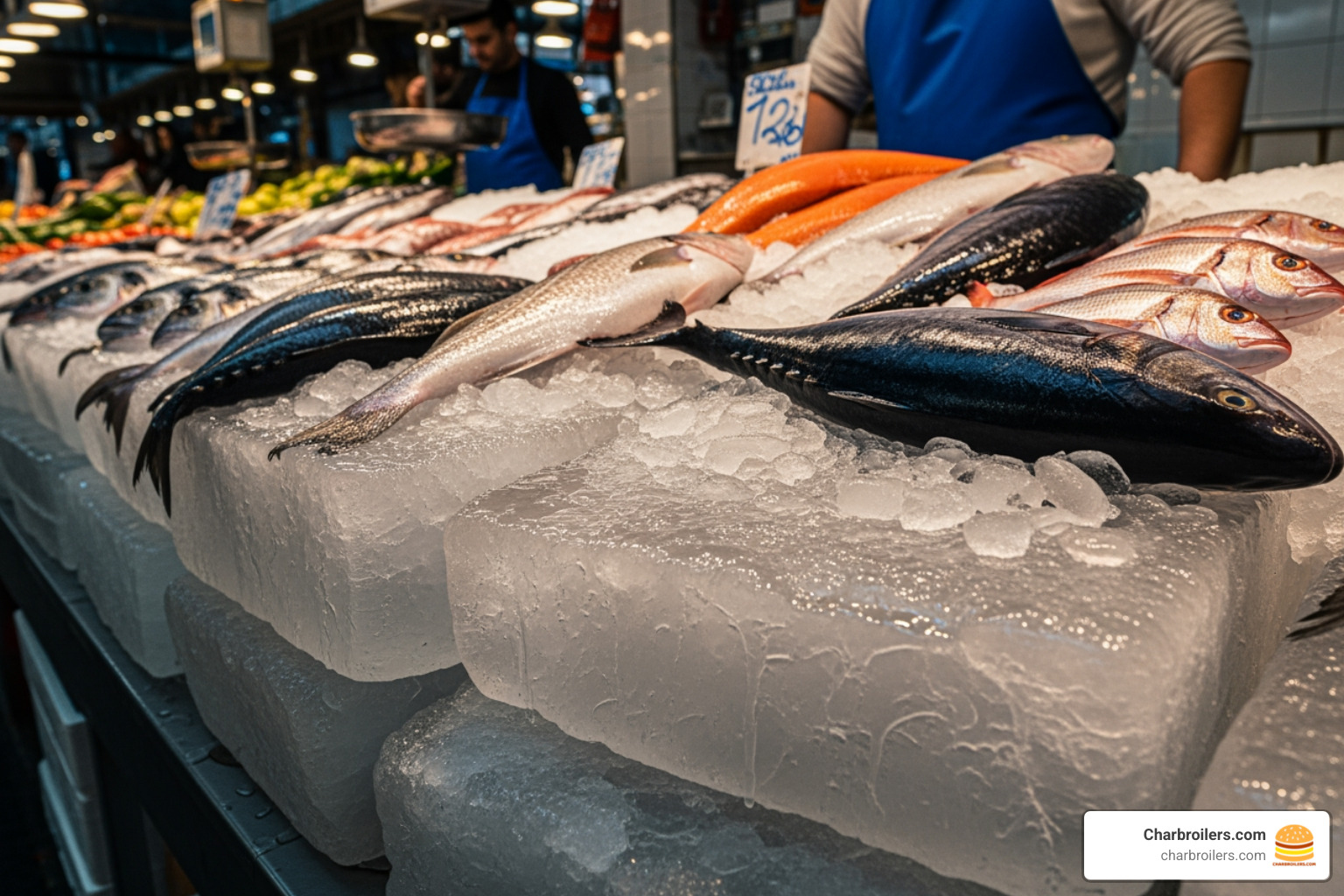
Top Industries Relying on Block Ice
The applications for commercial ice block machines are incredibly diverse, extending far beyond simply chilling drinks. We see block ice playing a critical role in maintaining quality and safety across numerous sectors:
- Fisheries and Aquaculture: As a top consumer, the fisheries industry uses block ice to preserve fresh catches on trawlers and regulate water temperatures in aquaculture. Its slow melt rate keeps seafood fresh during long-distance transport, even without refrigeration.
- Food and Beverage Industry: Block ice is used for chilling large beverage quantities, in display cases, and for buffet presentations. Its longevity is key. Craft cocktail bars also use clear block ice for its density and aesthetic appeal in premium drinks.
- Construction: In large-scale construction, block ice is added to concrete mixtures in hot climates. This controls the temperature during curing, preventing premature drying and ensuring the concrete's final strength and durability.
- Medical and Pharmaceutical: These sectors rely on block ice to maintain the cold chain for vaccines, medications, and biological samples during transport and storage. It also provides crucial backup cooling during power outages.
- Event Catering and Ice Sculpting: Block ice offers long-lasting cooling for large events. Its solid structure is also perfect for creating stunning ice sculptures, adding elegance to any occasion.
- Agriculture: Block ice helps extend the shelf life of harvested crops, fruits, and vegetables, reducing spoilage and waste during storage and transit.
These varied applications underscore the versatility and critical importance of a reliable commercial ice block machine in today's economy. For a broader perspective on how ice machines empower different businesses, explore our article on Ice Machines That Mean Business: Hotels, Offices, and Beyond.
The Clear Advantages of Block Ice Over Other Forms
When we talk about ice, many forms come to mind: cubes, flakes, nuggets, and blocks. Each has its place, but block ice shines where longevity and density are paramount. The distinct advantages of block ice stem from its unique production process, which results in a product that is not only robust but also incredibly efficient for specific applications.
A key advantage is block ice's slower melting rate. Its large mass-to-surface area ratio provides sustained cooling for extended periods, ideal when re-icing isn't feasible. This density also maintains colder temperatures more consistently.
Its solid form is easy to transport and handle using hoists, carts, or forklifts. The blocks hold their shape well, minimizing meltwater, which is beneficial for industries like fisheries that transport ice over long distances.
The cost-effectiveness of producing your own block ice is another major draw. As we've seen, it can cost as little as a penny per pound to make, significantly cutting operational costs for businesses that rely heavily on ice. This makes investing in a commercial ice block machine a sound financial decision.
Finally, block ice offers versatility beyond simple cooling. Its clear, dense structure is perfect for crafting intricate ice sculptures, or even for freezing objects within for decorative purposes. This aesthetic quality can lift presentations in the food and beverage industry.
Here's a quick comparison to highlight these differences:
| Feature | Block Ice | Cube Ice | Flake Ice |
|---|---|---|---|
| Melt Rate | Very Slow | Moderate | Fast |
| Density | Very High (solid) | High (solid) | Low (soft, inconsistent) |
| Best Use | Long-term cooling, transport, sculpting, concrete curing, seafood preservation | Beverages, chilling food, general restaurant use | Seafood display, medical labs, dough mixing |
| Production Cost | Very Low (penny per pound) | Moderate | Moderate |
| Transport | Easy, long-distance, less meltwater | Moderate, requires insulation | Difficult, high melt rate, delicate |
For those interested in the economics of ice production, our Your Essential Ingredient: A Cube Ice Machine Price Guide offers more insights into different ice types.
Your Buyer's Guide to the Right Commercial Ice Block Machine
Investing in a commercial ice block machine is a significant decision that can impact your operations for years to come. With various models and technologies available, consider several factors to ensure you choose a machine that perfectly fits your business needs. We're here to help you steer this important purchase.
Key Factors for Choosing a Commercial Ice Block Machine
Selecting the ideal commercial ice block machine requires careful thought. Here are the crucial elements we advise our clients to consider:
- Production Capacity (Tons/Day): This is the most critical factor. Assess your daily ice needs, including peak seasons and growth, to choose the right capacity, which can range from a few hundred pounds to over 100 tons. It's better to overestimate than to run out of ice.
- Energy Consumption (kWh): These machines use significant electricity. A typical 1-ton machine uses 10-15 kWh daily, but efficient models can reduce consumption by 15-20%. Look for advanced technology and high-efficiency compressors to minimize long-term operating costs. An initial investment in efficiency often pays for itself.
- Footprint and Space: These machines can be large, so evaluate your available space, including clearance for maintenance and harvesting. If space is limited or you need mobility, containerized units offer a compact, all-in-one solution.
- Build Materials: For equipment that runs continuously, durability is key. Prioritize machines made from high-quality, corrosion-resistant materials like food-grade stainless steel (SUS304) for molds and evaporators. This ensures longevity and hygiene.
-
Cooling Technology (Air vs. Water vs. Evaporative):
- Air-cooled: Simpler installation, but efficiency can drop in hot environments.
- Water-cooled: More efficient, especially in warm climates, but requires a reliable water source and potentially a cooling tower.
- Evaporative-cooled: A balance of efficiency and water usage, but can be more complex. The best choice depends on your local climate, water availability, and operational preferences.
- Voltage and Power Requirements: In the USA, commercial equipment often uses 220V, 440V, or 460V three-phase power (60Hz). Ensure the machine's specifications match your facility's power supply. Clarify this with the manufacturer, as most can adapt machines for specific requirements.
- Brand Reputation and Support: Choose a manufacturer with a proven track record for quality, reliability, and excellent after-sales service. Good support ensures access to spare parts and technicians when needed. Look for machines that use components from reputable suppliers.
For a broader understanding of how to assess different ice makers, our guide on The Ultimate Guide to Comparing Commercial Ice Makers provides further insights.
Maintenance and Longevity: Protecting Your Investment
A commercial ice block machine is a significant investment that requires proper care to maximize its lifespan. With diligent maintenance, these machines can reliably serve your business for many years.
The average lifespan of a commercial ice block machine is 8 to 15 years. This varies based on brand, build quality, and especially the quality of maintenance. With meticulous care, some machines can exceed this range.
Here are the typical maintenance requirements we recommend:
- Regular Cleaning Schedule: Regularly clean and sanitize ice molds and internal components with food-safe agents. This prevents mineral and bacterial buildup, ensuring hygiene, efficiency, and high-quality ice.
- Component Inspection: Periodically inspect key components (compressor, condenser, etc.) for wear, leaks, or damage. Keep condenser coils clean, as dust and debris reduce efficiency and increase energy use.
- Refrigerant Level Checks: Ensure refrigerant levels are optimal. Low refrigerant can lead to reduced cooling capacity and increased stress on the compressor.
- Water Quality Monitoring: If your machine uses water-cooled condensers or directly freezes water, regularly check your water supply for mineral content. Hard water can lead to scale buildup, necessitating more frequent cleaning and potentially impacting machine efficiency.
- Troubleshooting Minor Issues: Address any minor issues promptly. Consult the user manual for common troubleshooting tips, or better yet, have a professional technician on speed dial. Addressing small problems early can prevent them from escalating into costly repairs or extended downtime. Common issues might include unusual noises, reduced ice production, or temperature fluctuations.
- Professional Service: Schedule annual or bi-annual professional servicing. Qualified technicians can perform in-depth inspections, calibrate components, and ensure the system is running at peak efficiency. Many manufacturers offer engineers available for overseas service, including installation, commissioning, and training.
- Proper Installation Environment: Ensure the machine is installed in a well-ventilated area, away from corrosive gases and liquids, and on a stable, level base to prevent unnecessary vibrations and wear.
By adhering to these maintenance practices, you're not just prolonging the life of your commercial ice block machine; you're also safeguarding your investment and ensuring a continuous supply of high-quality ice. For more insights into refrigeration equipment maintenance, you might find value in our guide, Don't Get Left in the Cold: Your Guide to Buying the Best Commercial Ice Storage Bin.
Frequently Asked Questions
We often hear similar questions from business owners considering a commercial ice block machine. Let's address some of the most common inquiries to provide you with a clearer picture.
Are commercial ice block machines suitable for small businesses?
Yes. While "commercial" suggests large operations, these machines come in many capacities suitable for small businesses. Smaller models are designed for lower-volume needs, fitting startups, local restaurants, or specialized caterers in Seattle, WA.
For example, smaller models can produce around 200 lbs of ice per day, which is ideal for "Mom & Pop" operations or businesses with moderate ice requirements. The key is to conduct a thorough cost-benefit analysis. Producing your own ice at a penny a pound can lead to significant savings compared to purchasing it, quickly justifying the initial investment, even for smaller ventures. This allows small businesses to control their ice supply, ensure quality, and reduce operational costs. For more custom solutions for compact spaces, explore our article on Don't Sweat the Small Stuff: Top Small Commercial Ice Machines for Your Business.
Can these machines use renewable energy sources?
Yes, many modern, energy-efficient ice block machines are compatible with renewable energy systems like solar panels. This integration is becoming more feasible, allowing businesses to reduce their carbon footprint and energy costs.
Manufacturers are actively focusing on reducing power consumption by up to 15-20% through advanced refrigeration technologies and eco-friendly refrigerants. Choosing a machine designed for energy efficiency is the first step, as this will optimize the benefits derived from renewable energy sources. This not only aligns with environmental goals but can also offer long-term operational savings.
How are ice blocks harvested from the machine?
Harvesting ice blocks is a crucial step in the production cycle, and the method can vary depending on the machine's design and level of automation.
- Manual Harvesting: In smaller or traditional brine systems, operators manually lift molds from the brine, often with a hoist. The molds are then dipped in a warm water bath to release the ice blocks for storage.
- Automatic Doffing: Many modern machines, especially direct cooling systems, have fully automatic harvesting. A hot gas defrost cycle warms the mold surfaces, causing the ice blocks to detach automatically.
- Mechanical Assistance: For larger capacities, mechanical aids like hoist and cart systems are common. Some industrial machines use hydraulic systems for forklift removal of multiple blocks at once, saving labor and time. A large automatic machine can harvest a batch in under 30 minutes.
This automation not only speeds up the process but also improves safety and reduces the need for manual labor.
Conclusion
The commercial ice block machine is a strategic asset for many industries. From preserving seafood in Seattle to maintaining pharmaceutical cold chains, its versatility is clear. We've explored how these machines work, the types available, and their key components.
The advantages of block ice—density, slow melting, and cost-effectiveness—make it a superior choice for sustained cooling. Producing your own ice for as little as a penny per pound boosts your bottom line, and compatibility with renewable energy supports sustainable operations.
Choosing the right commercial ice block machine involves carefully considering your production capacity, energy efficiency, the quality of build materials, and the support offered by the manufacturer. With proper maintenance, your investment can reliably serve your business for 8 to 15 years, providing a consistent supply of high-quality ice.
At Charbroilers.com, we understand the demands of the commercial kitchen and restaurant equipment industry. While we specialize in charbroilers, deep fryers, and griddles, we recognize that every piece of equipment, including your ice machine, plays a crucial role in your overall success. Investing in the right tools, whether it's for cooking or cooling, is fundamental to operational excellence.
As the global commercial ice machine market continues to grow, driven by innovation and demand for energy-efficient solutions, the role of the commercial ice block machine will only become more pronounced. We encourage you to assess your needs, ask the right questions, and make an informed decision that will keep your business cool and thriving.
To explore our comprehensive guide to commercial charbroilers and other essential restaurant equipment, visit us at Charbroilers.com.